Testing Leica's new SL3-P
Leica’s new SL3-P is a high-speed upgrade from its flagship workhorse, for a little less money.
It's been a busy few weeks in tech reporting! Apple released new versions of its software across its ecosystem, Anthropic is in trouble with the government again, and I've been messing around with my own Panoramas as environments in the Vision Pro. And while my beat is primarily centered around technology hardware and software companies, you might be aware I'm also extremely interested in cameras.
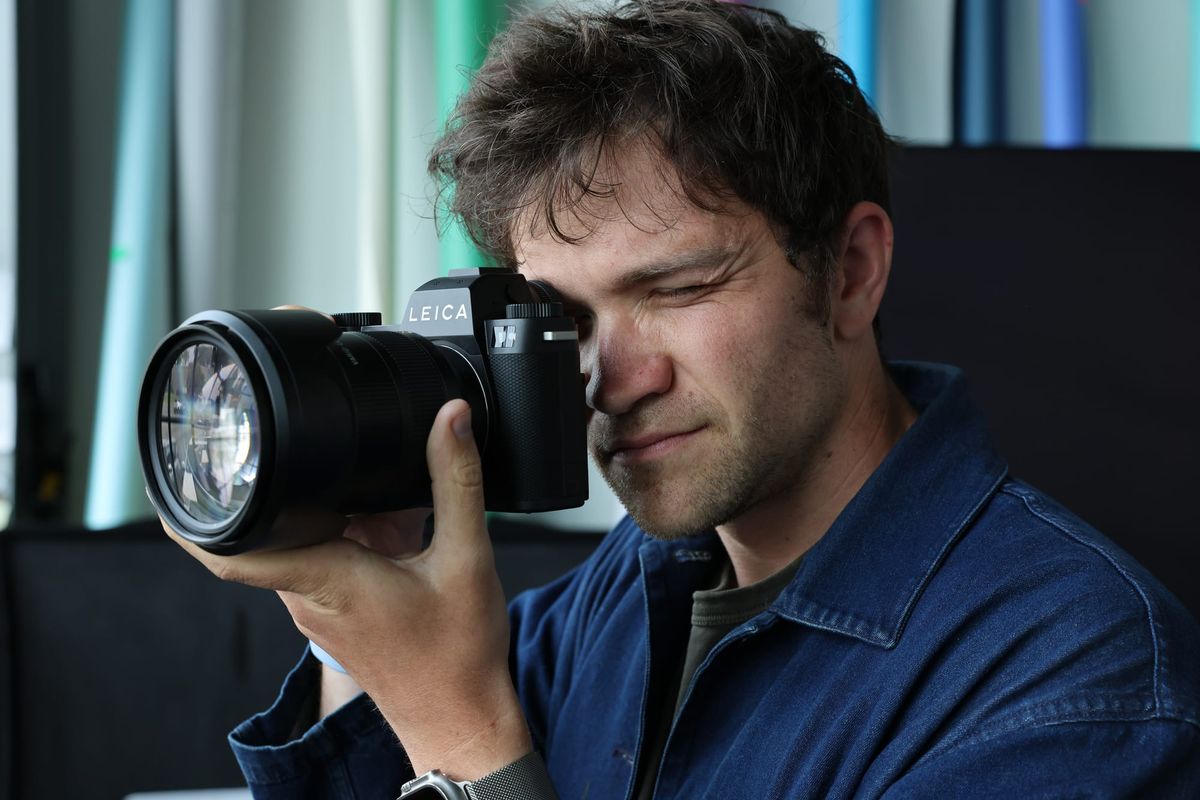
This week, Leica released a new camera and gave me a few days to test it out. I certainly like it and have a lot of thoughts about it, but as far as my YouTube channel goes, I generally only like making videos on cameras that either have some new, innovative technological feature, or are a particularly good camera to explain a fundamental photography concept with. Leica's new SL3-P is neither of those things, so I haven't made a dedicated video about it, but I do feel like it's worth talking about for a bit here. This is the Leica SL3-P.
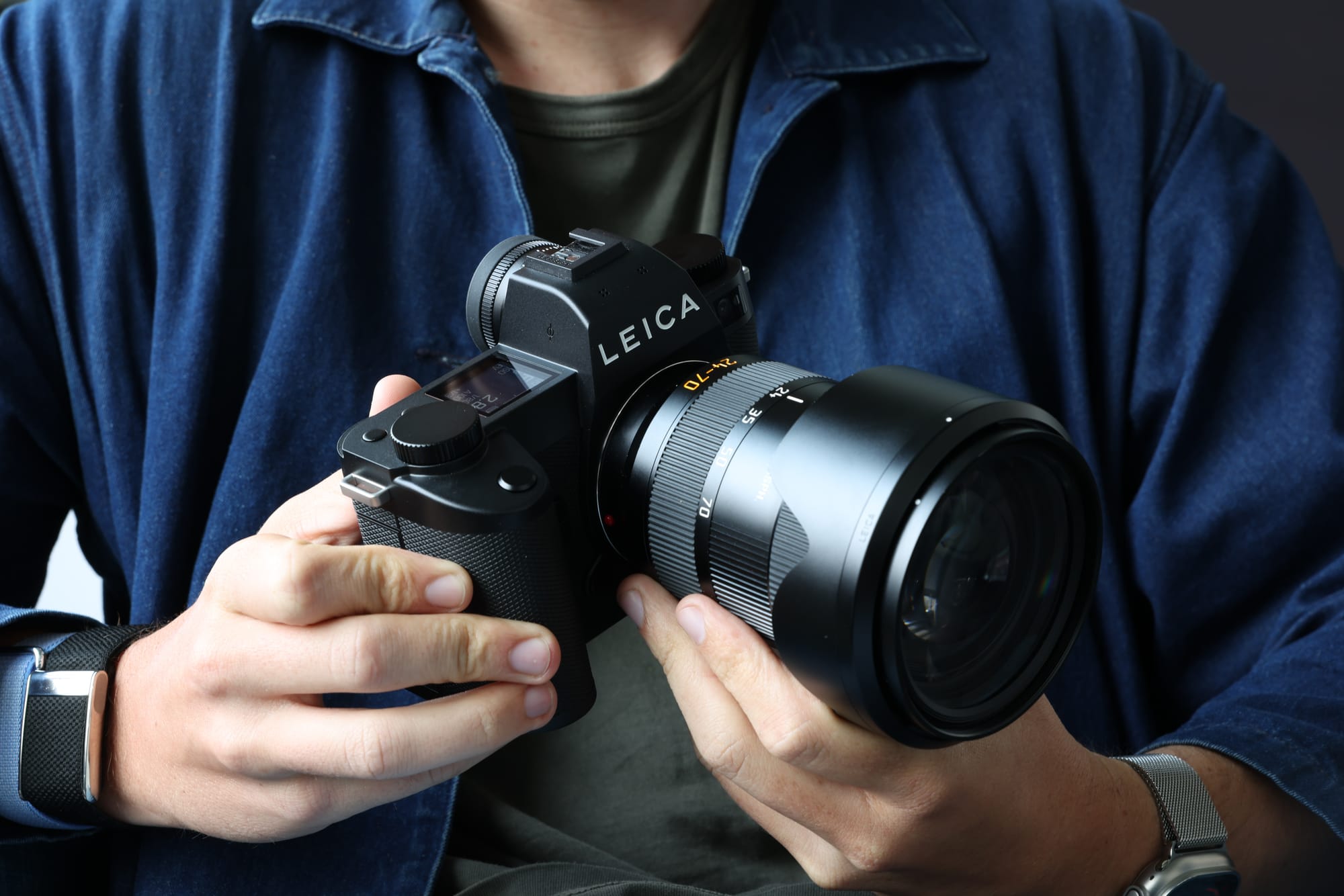
The SL line is a very interesting series of cameras. Not because they have anything particularly unique about them, but rather because of how normal they are, by Leica's standards at least.
Leica's other flagship cameras, the M series, and Q series mostly exist in a category of their own. The rangefinder-based M has practically no competition, and even though more companies have recently released high-end point-and-shoot options, Leica's Q has been one of the most prevalent, and has made up a large portion of the company's overall sales.
The SL series, in contrast, is an autofocus-enabled, interchangeable-lens, full-frame line of cameras. They are Leica's workhorse bodies, positioned for studio photographers and prosumer videographers. Of course, being Leica cameras, they also cost quite a bit more than other cameras in arguably the most competitive sector of photography. Its highest-end SL3 will cost you $7,485, and the lower-resolution, more video-focused SL3-S costs a bit less, at $5,665.
Leica's new SL3-P sits right in the middle, both from a specs and price perspective. But in most ways, I would say it's actually better than its old flagship, which is what Leica's -P moniker usually implies. At $6,690, the SL3-P is certainly pricey. But if you're looking for an SL, I'd probably recommend it over its more expensive sibling, for a number of reasons, and frankly I'm confused why Leica is continuing to sell the standard SL3 at all.
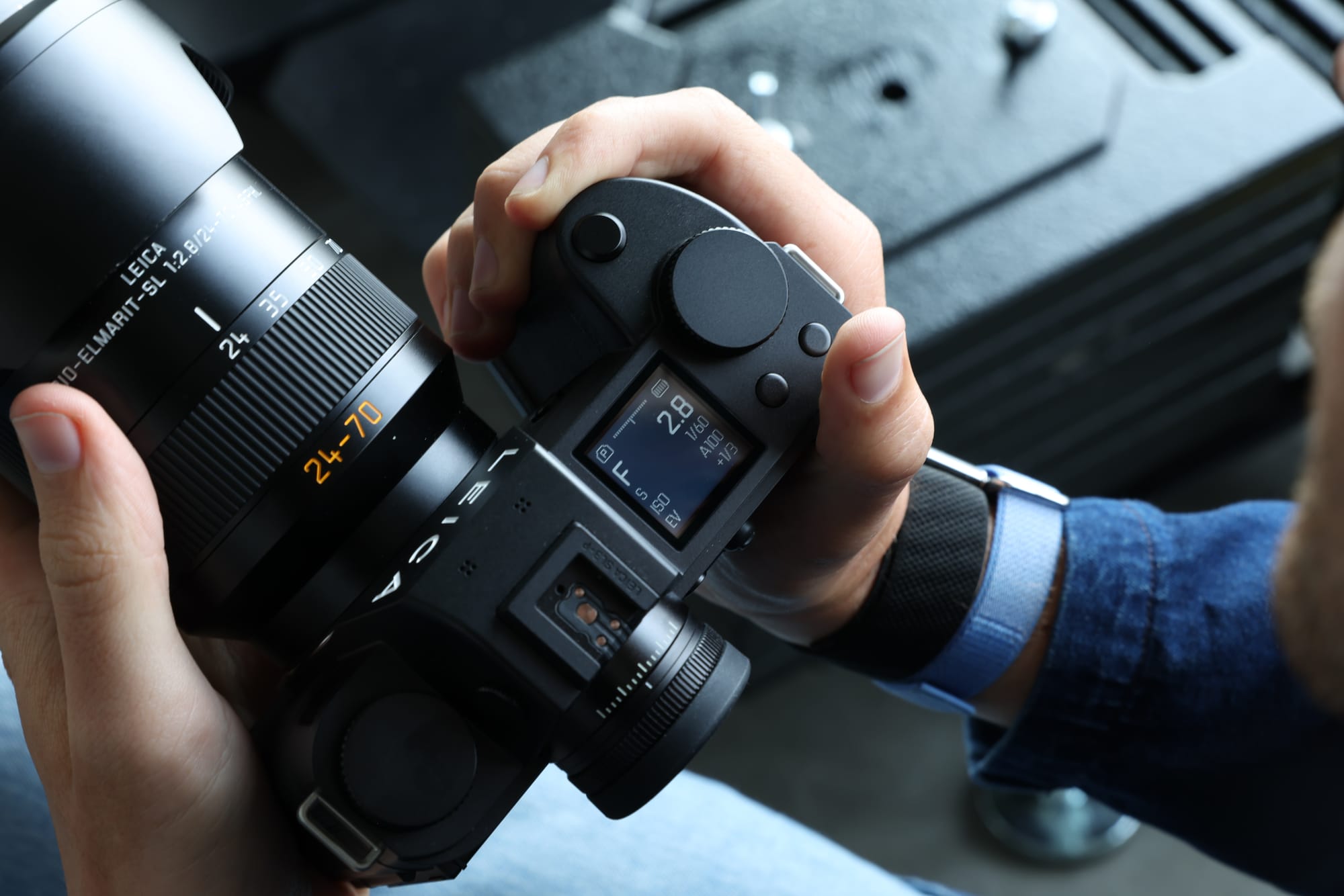
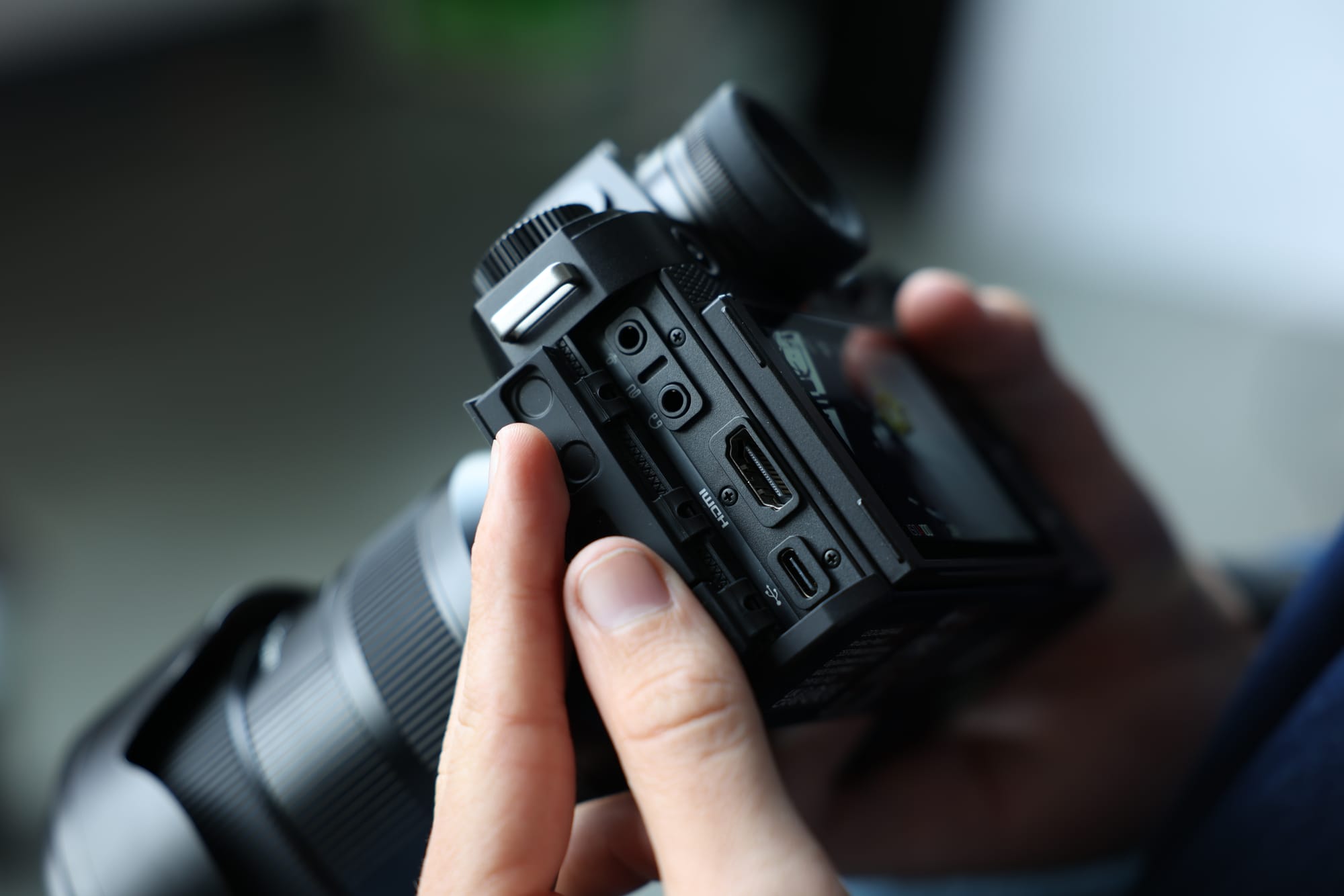
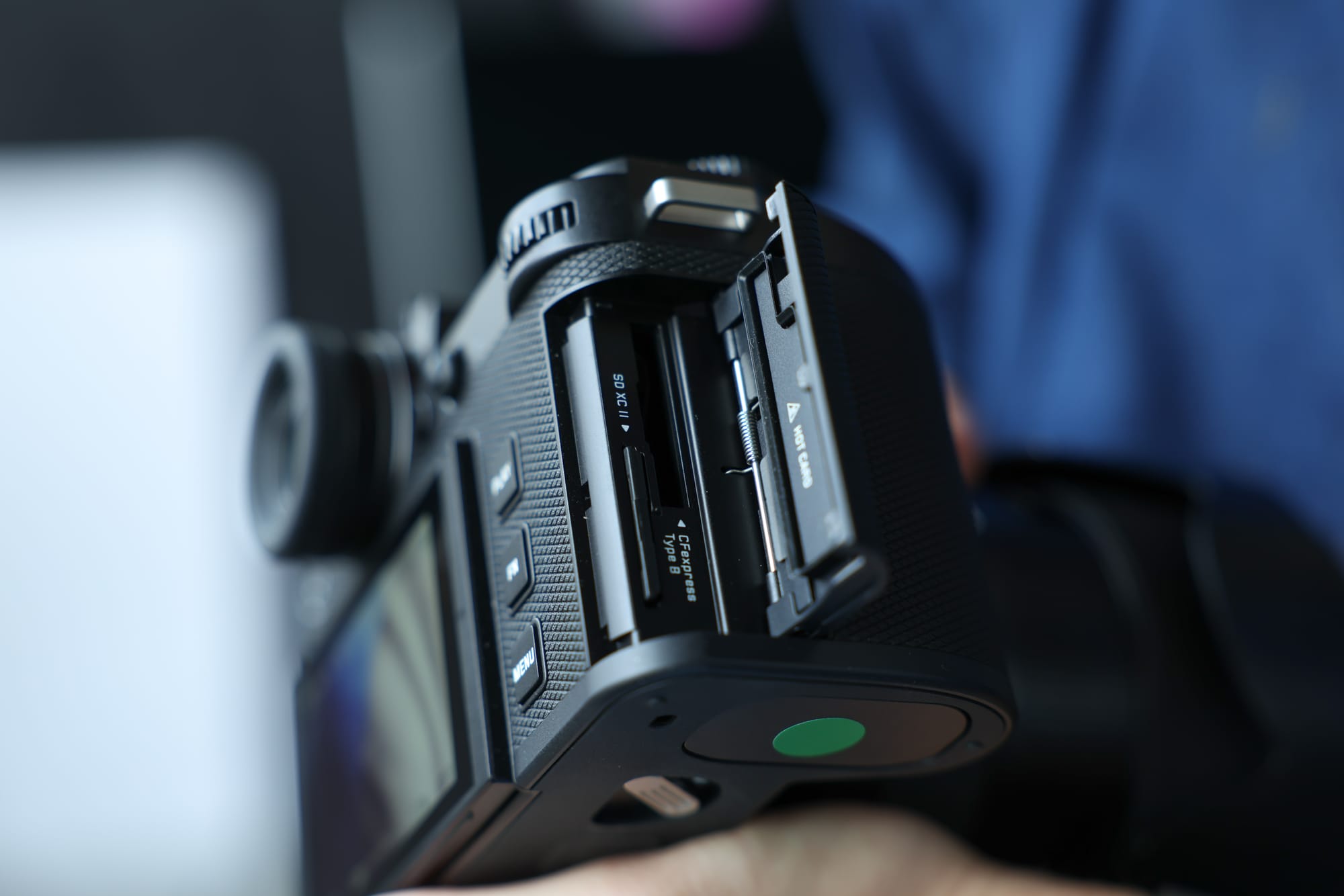
The SL3-P port and dial selection. Photos by Brandon Havard
The SL3-P is a 44MP full-frame camera with 819 autofocus points, 40fps RAW image capture with autofocus, and 8k Open Gate recording at up to 24fps internally (or 29.97fps RAW over HDMI). If you don't know what that means, it’s that it is now squarely a flagship "hybrid" camera. This means it can be used for high-end photography and videography.
The 44MP backside-illuminated sensor is lower resolution than the 60MP sensor on the SL3, but the lower data throughput allows for most of the other features. 40fps RAW capture with autofocus is the new spec that puts this thing in sports-camera territory, letting you burst to land the exact frame you're after. Unfortunately, it's also the feature that let me down the most.
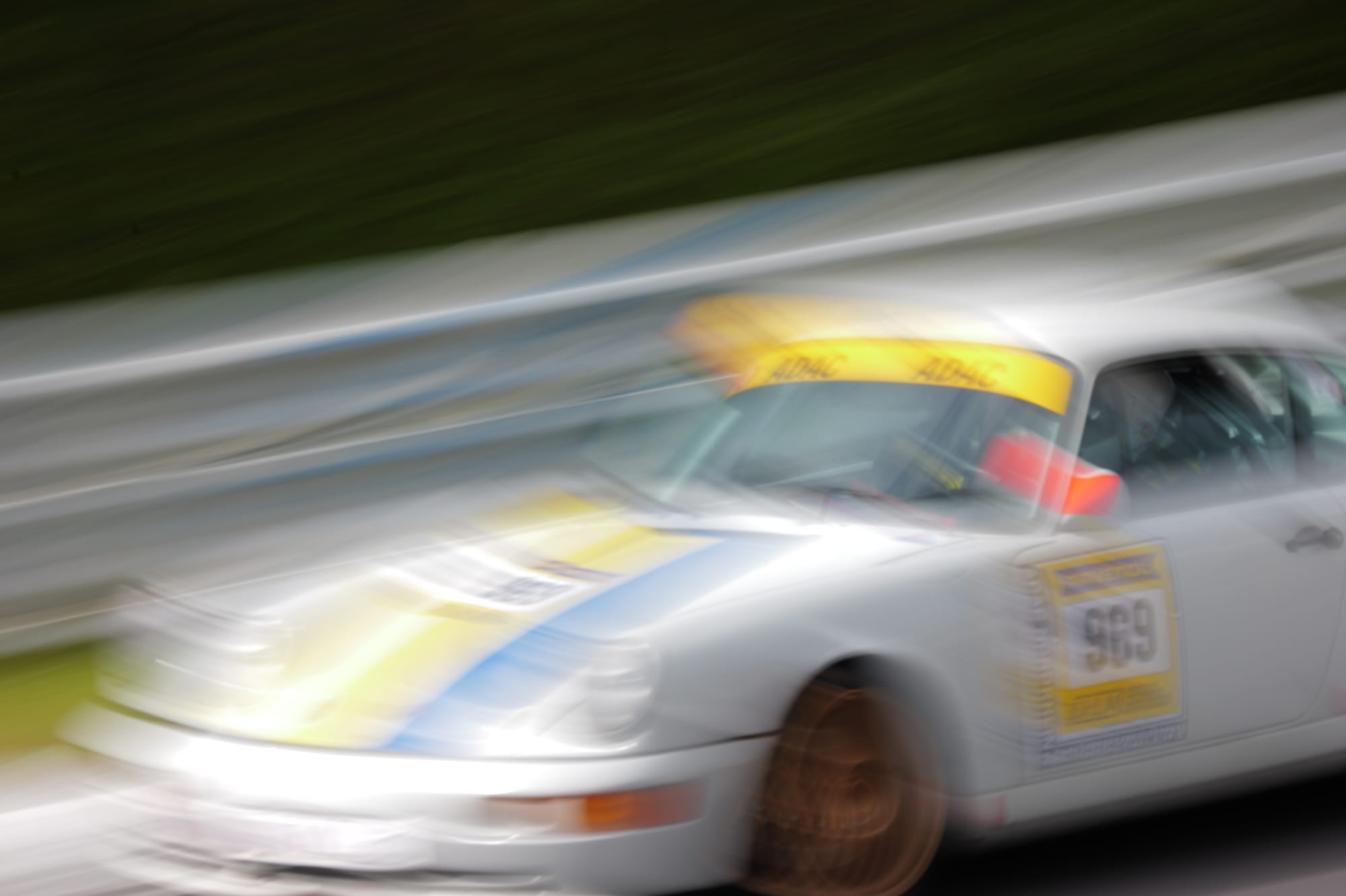
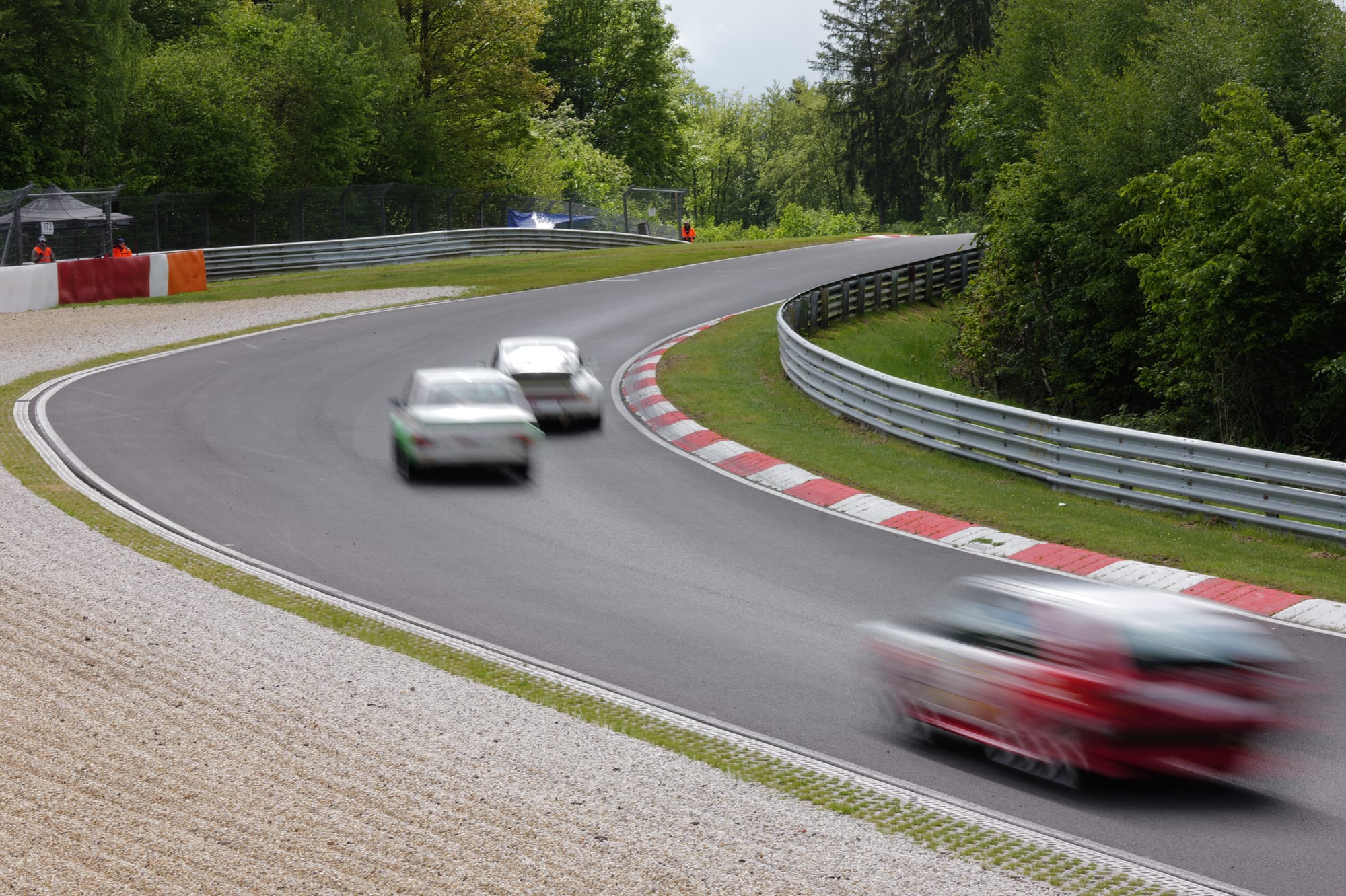
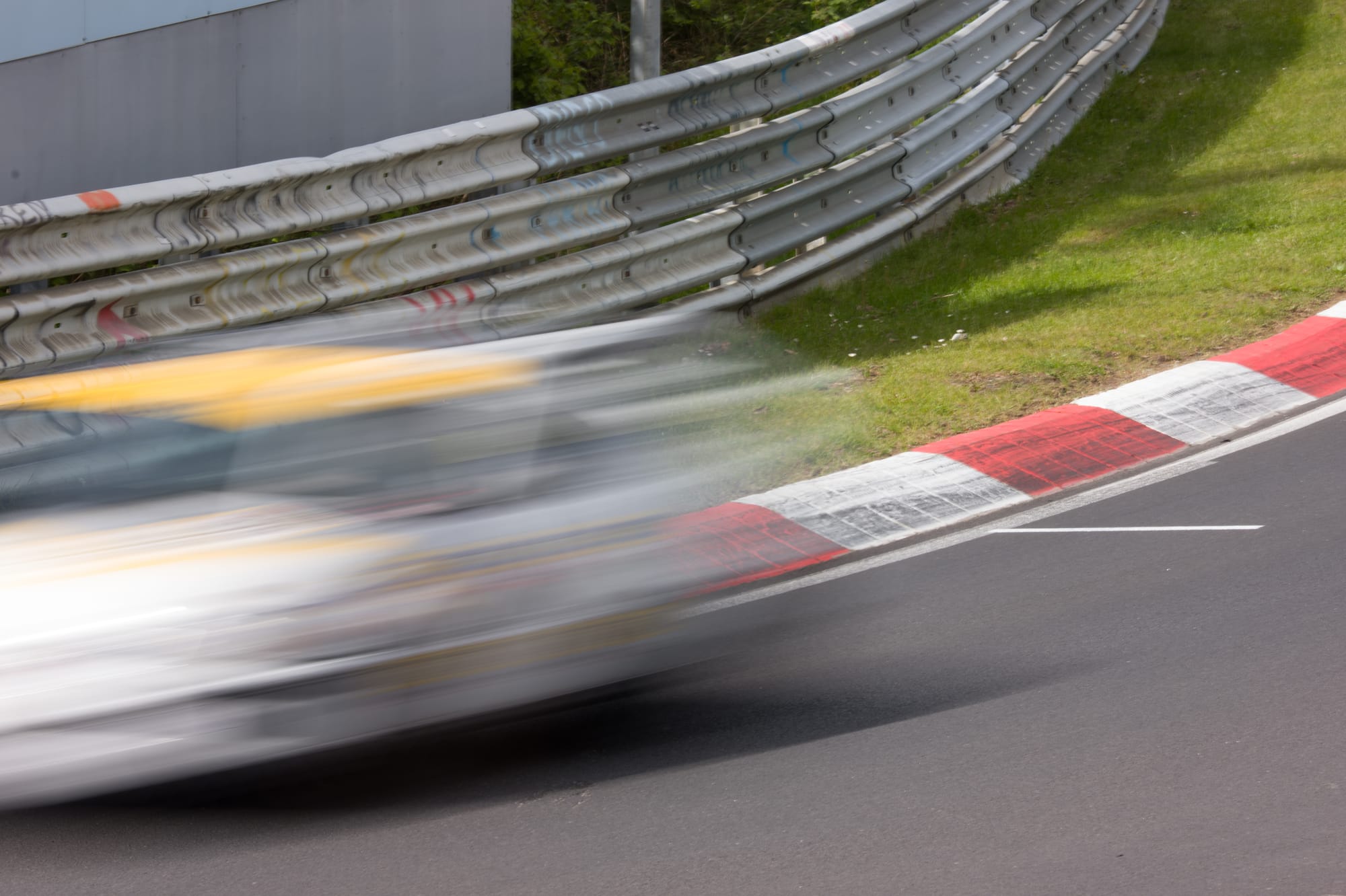
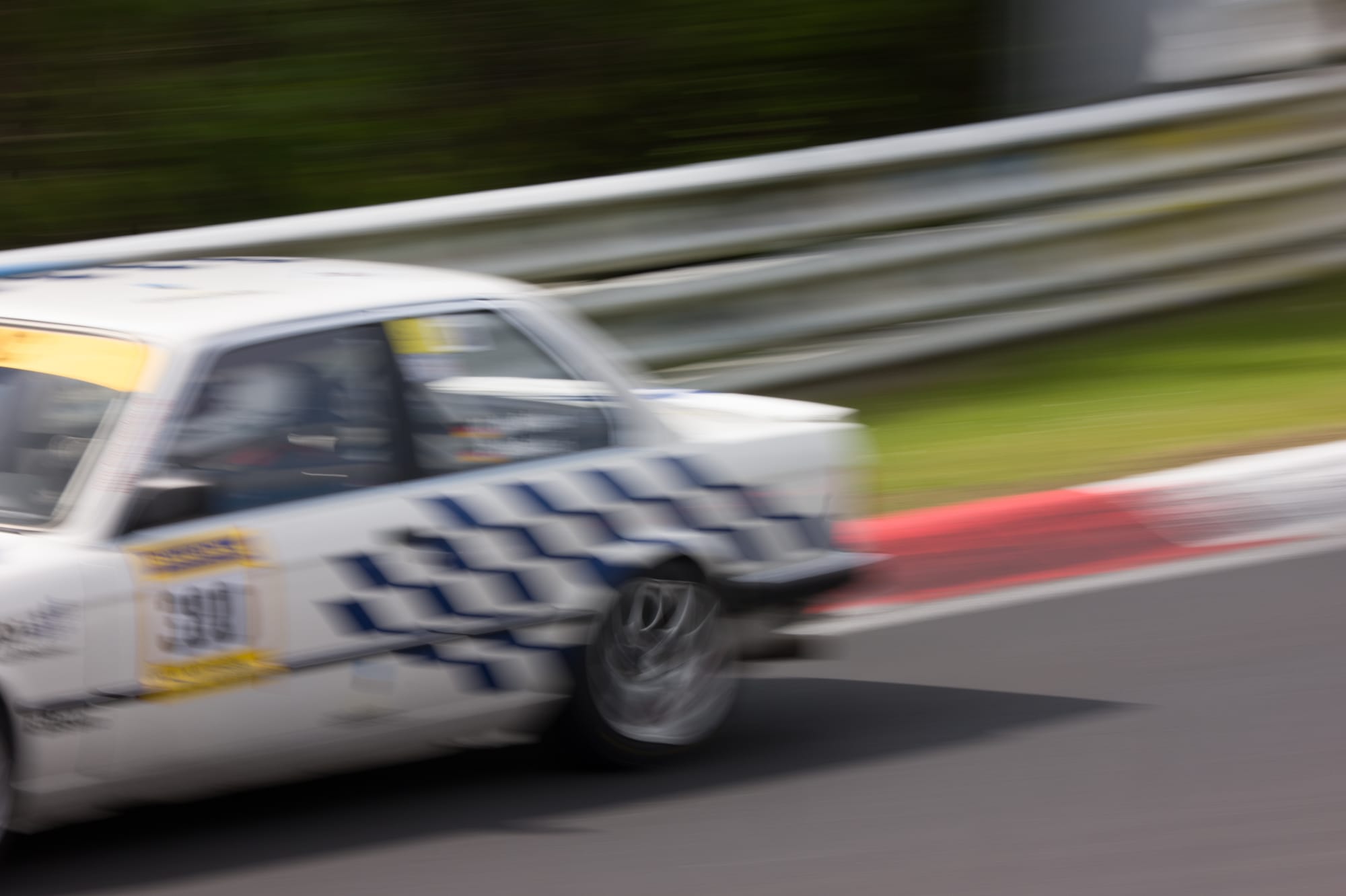
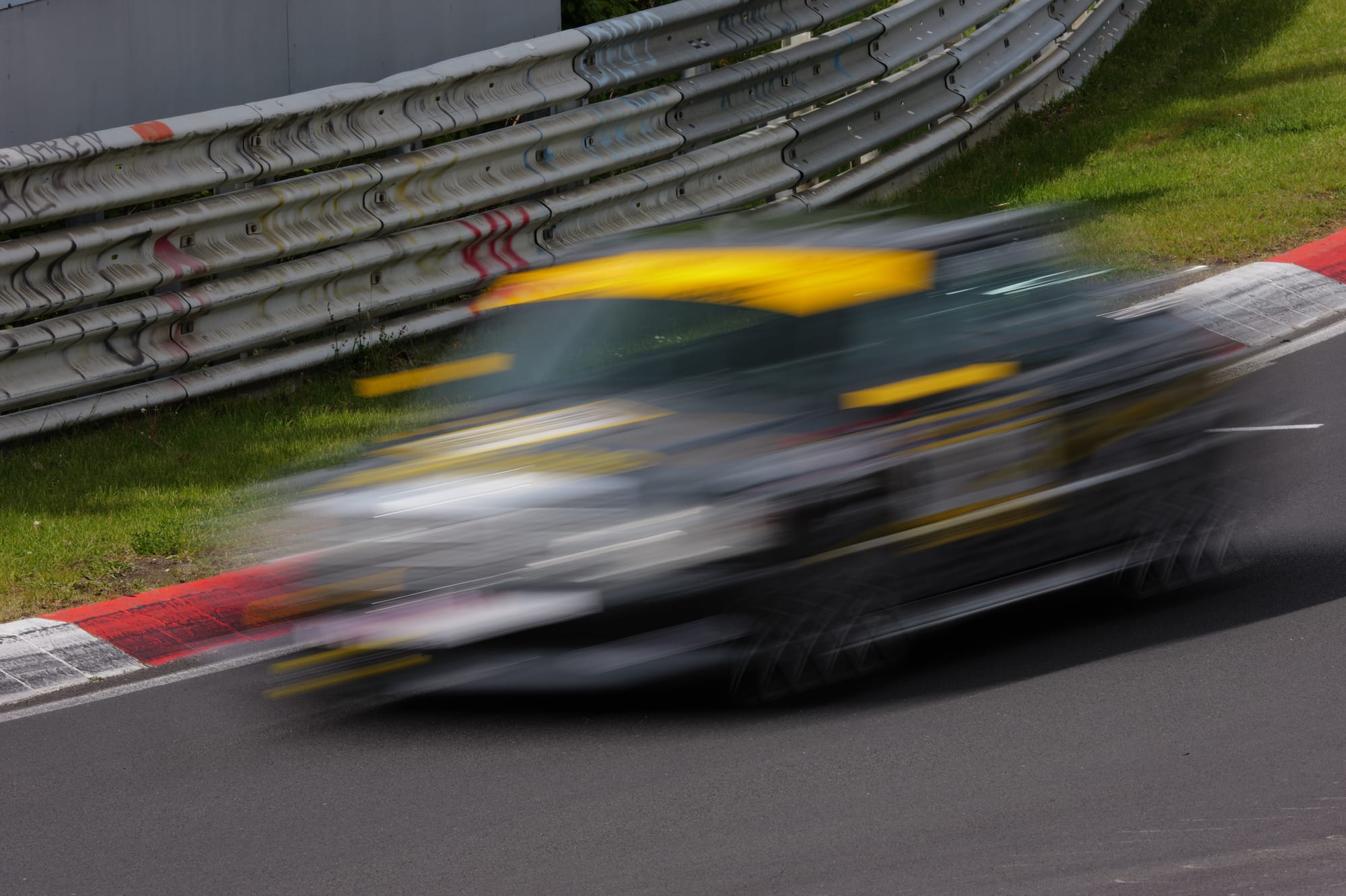
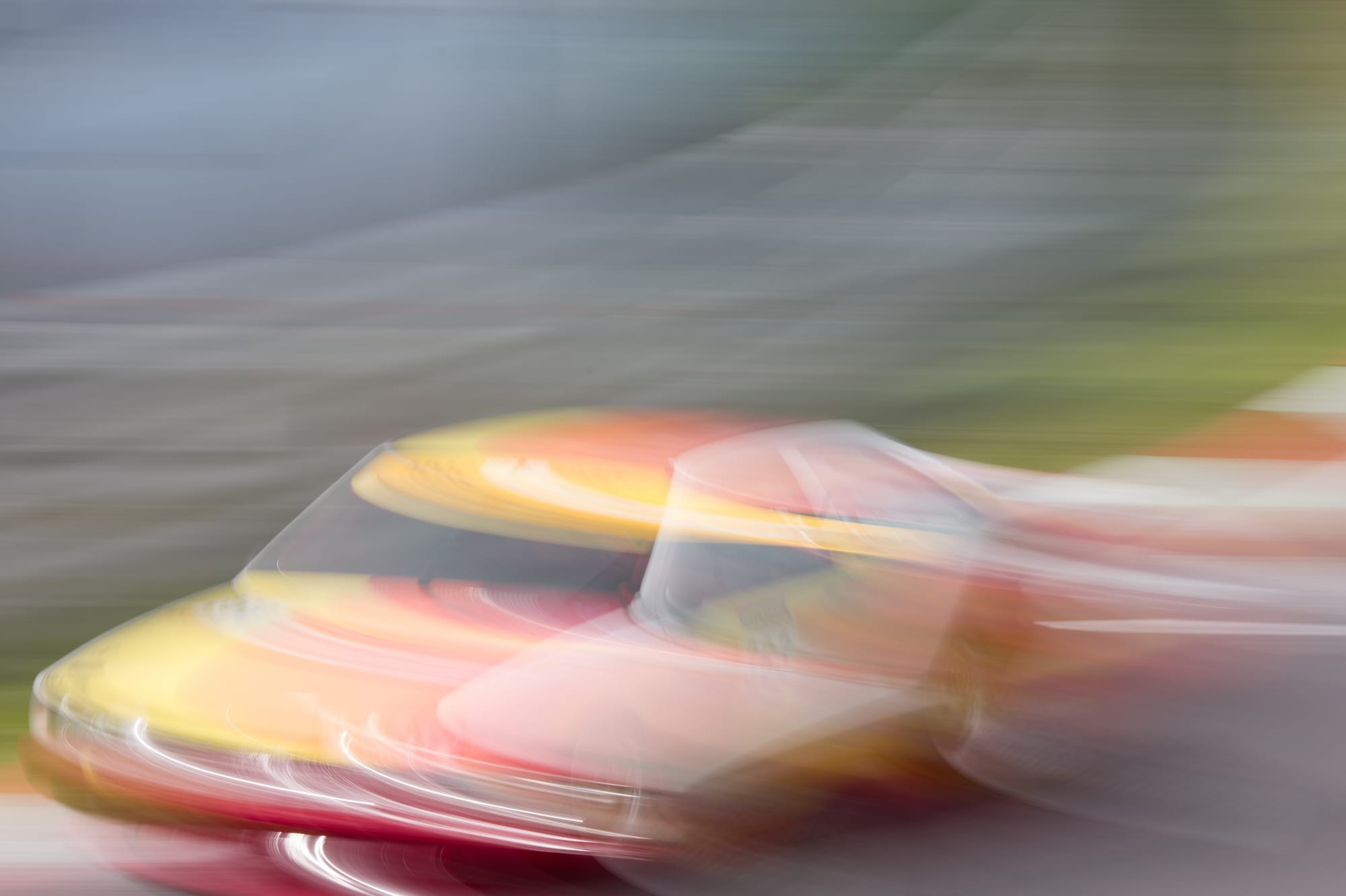
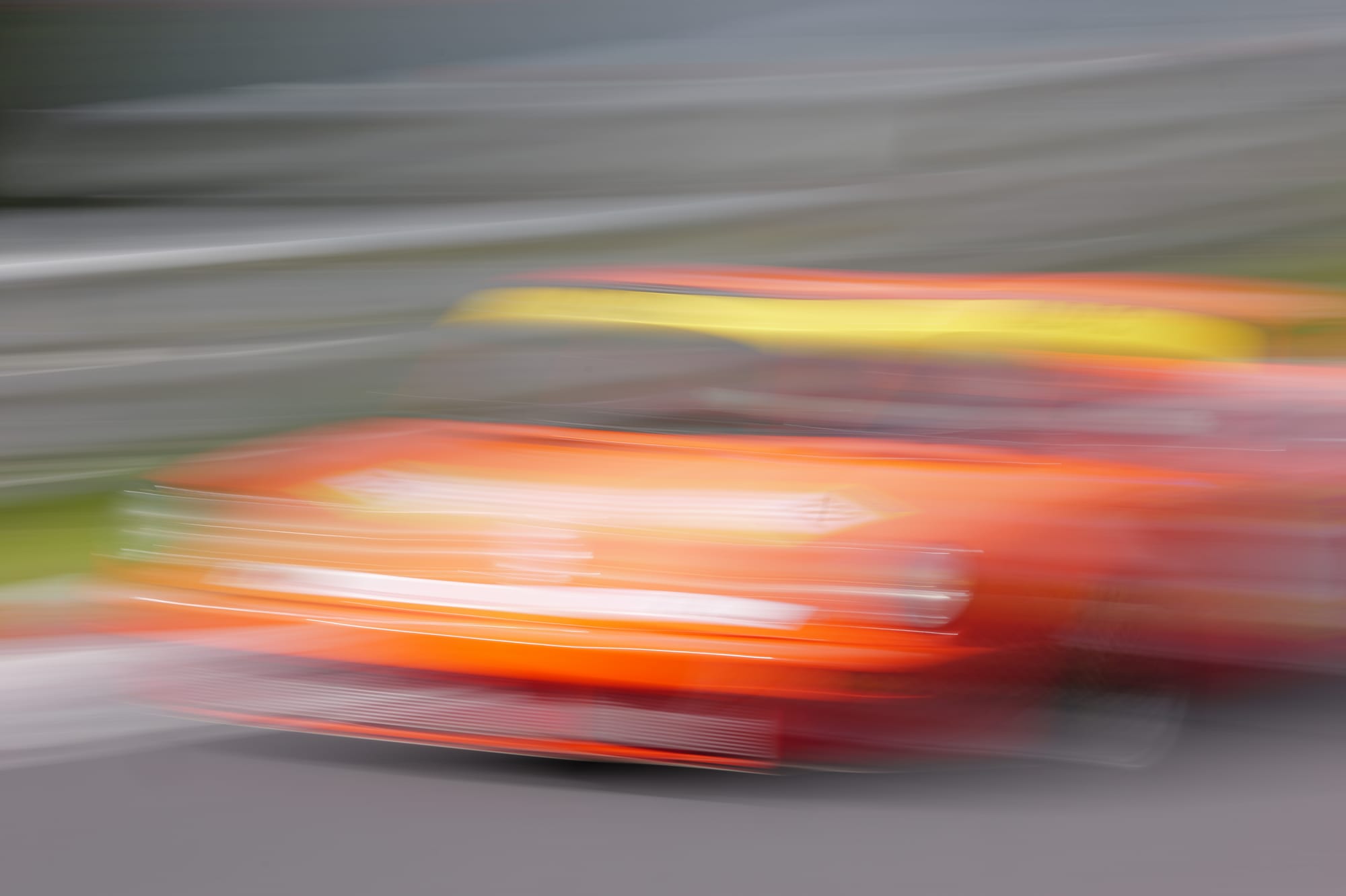
Slow-shutter photography I made with the SL3-P - Straight out of Camera JPGs
I tested this mode pretty extensively during my time with the camera, and half the time the would freeze up, forcing me to take the battery out and put it back in, and the other half of the time it would store the images but the screen would be black and unusable for multiple seconds. There's a long delay while it moves the data from the buffer to storage, but nothing on screen tells you that's happening or how long it'll take. I understand the camera is moving a ton of data, but some indicator letting you know if the camera locked up or is still moving data to the card would be helpful.
I have to lead with the caveat that this was a prototype body I shot back in early May on non-final firmware, so it's very possible Leica changes this before it ships. But I need to note it, because it's one of the headline features of the camera, and the one that will make a lot of people finally consider an SL for sports photography. I would wait for final production model reviews of this camera to see if it's been fixed at launch.
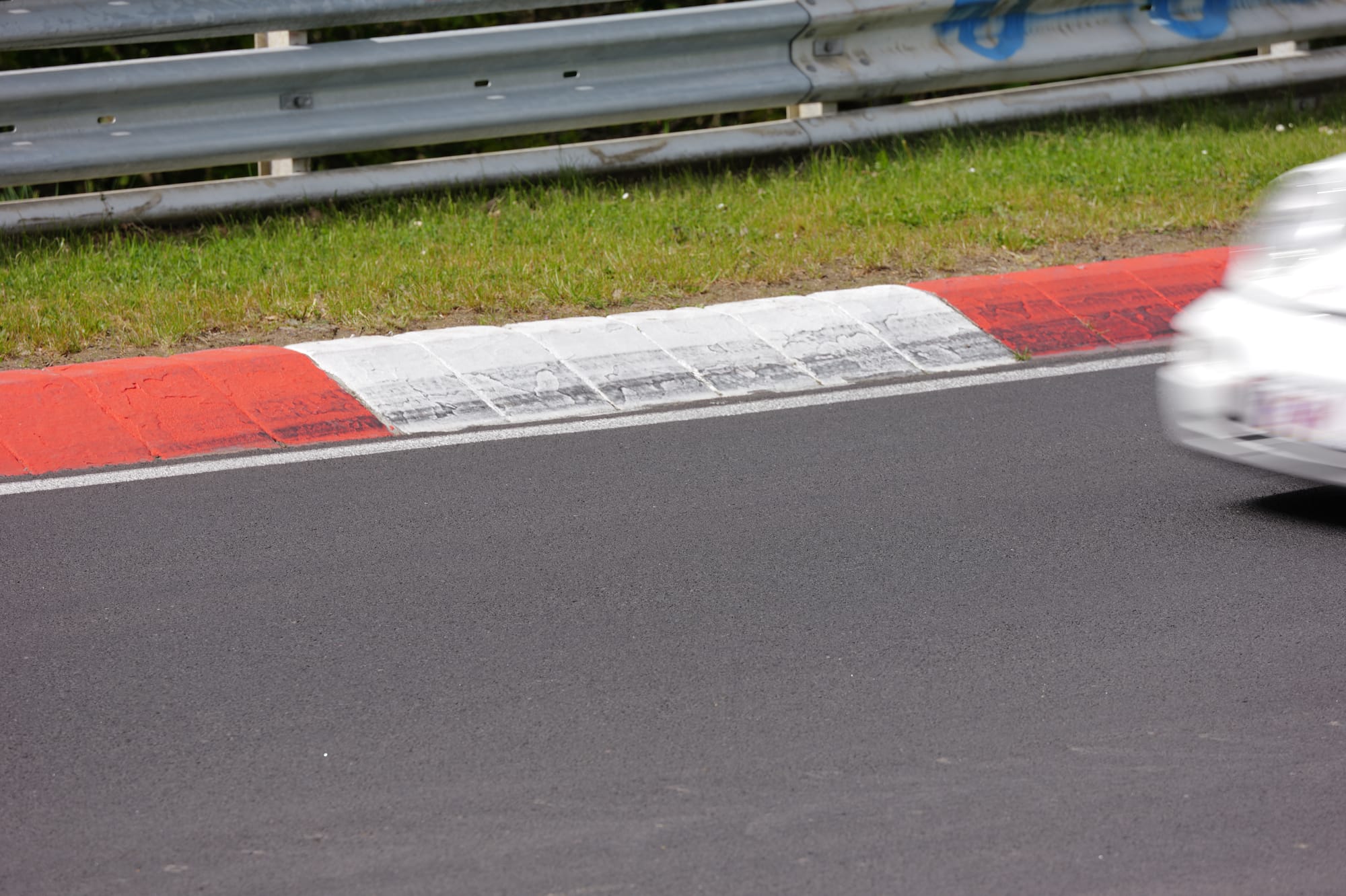
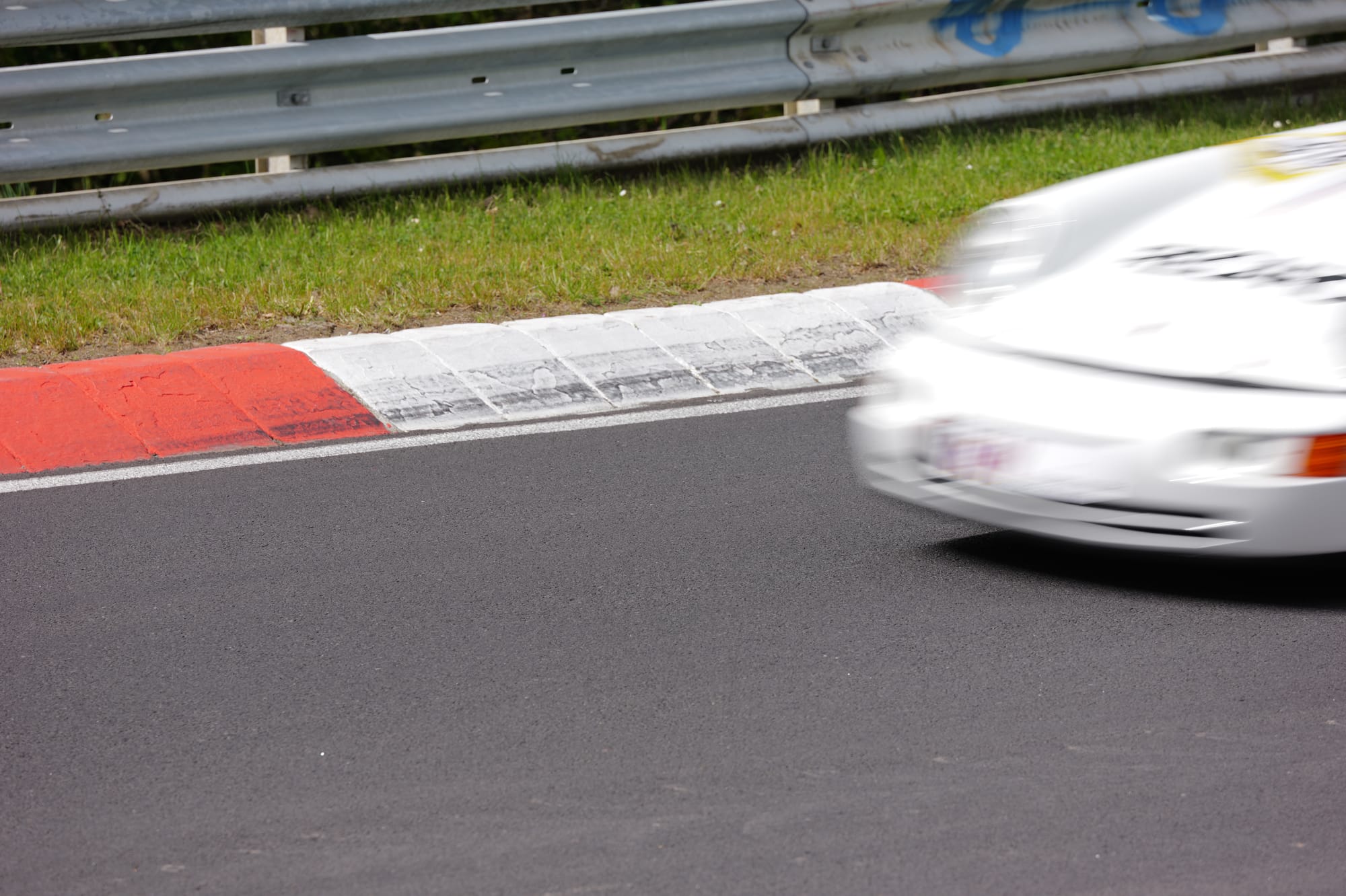
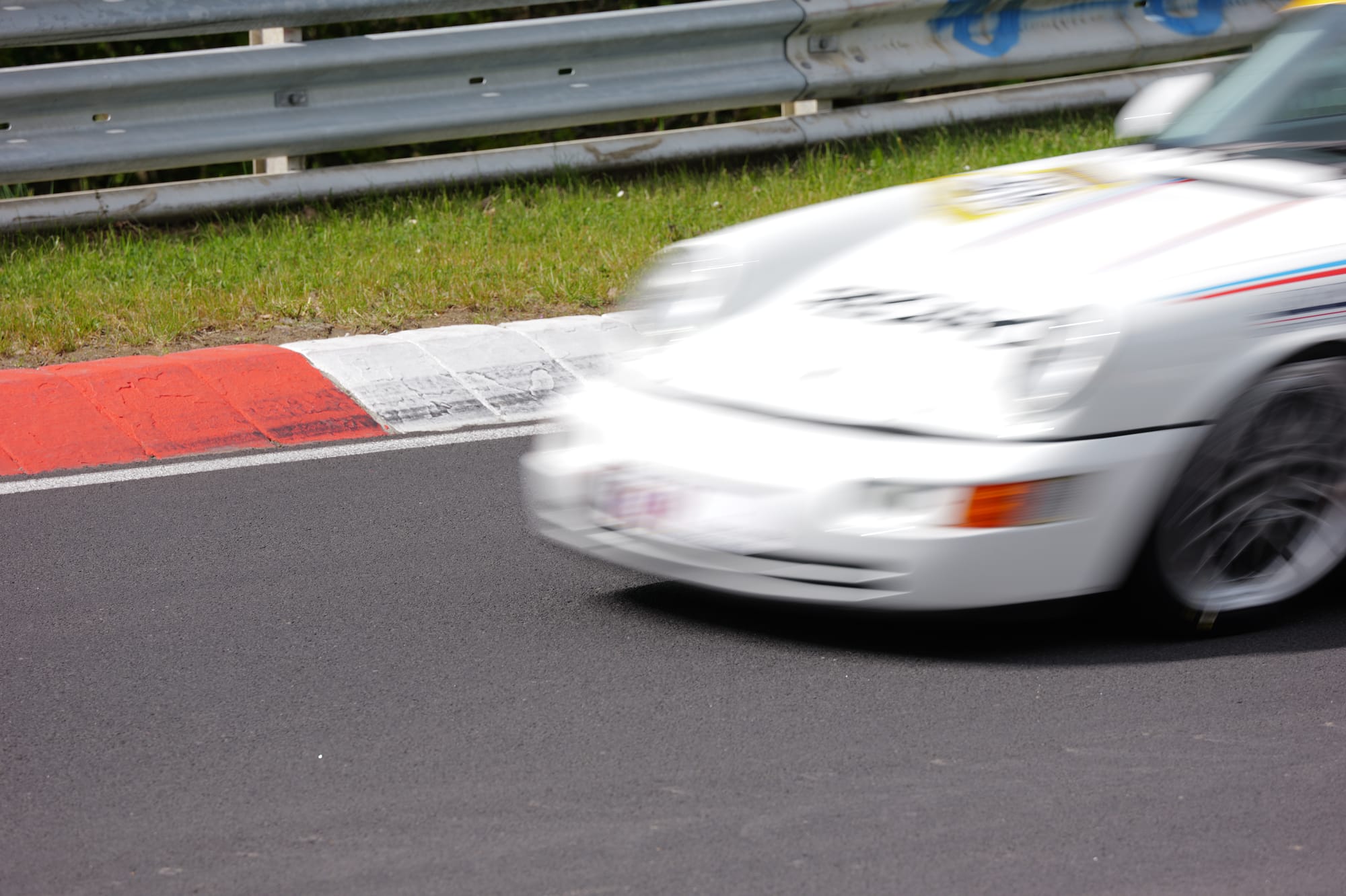
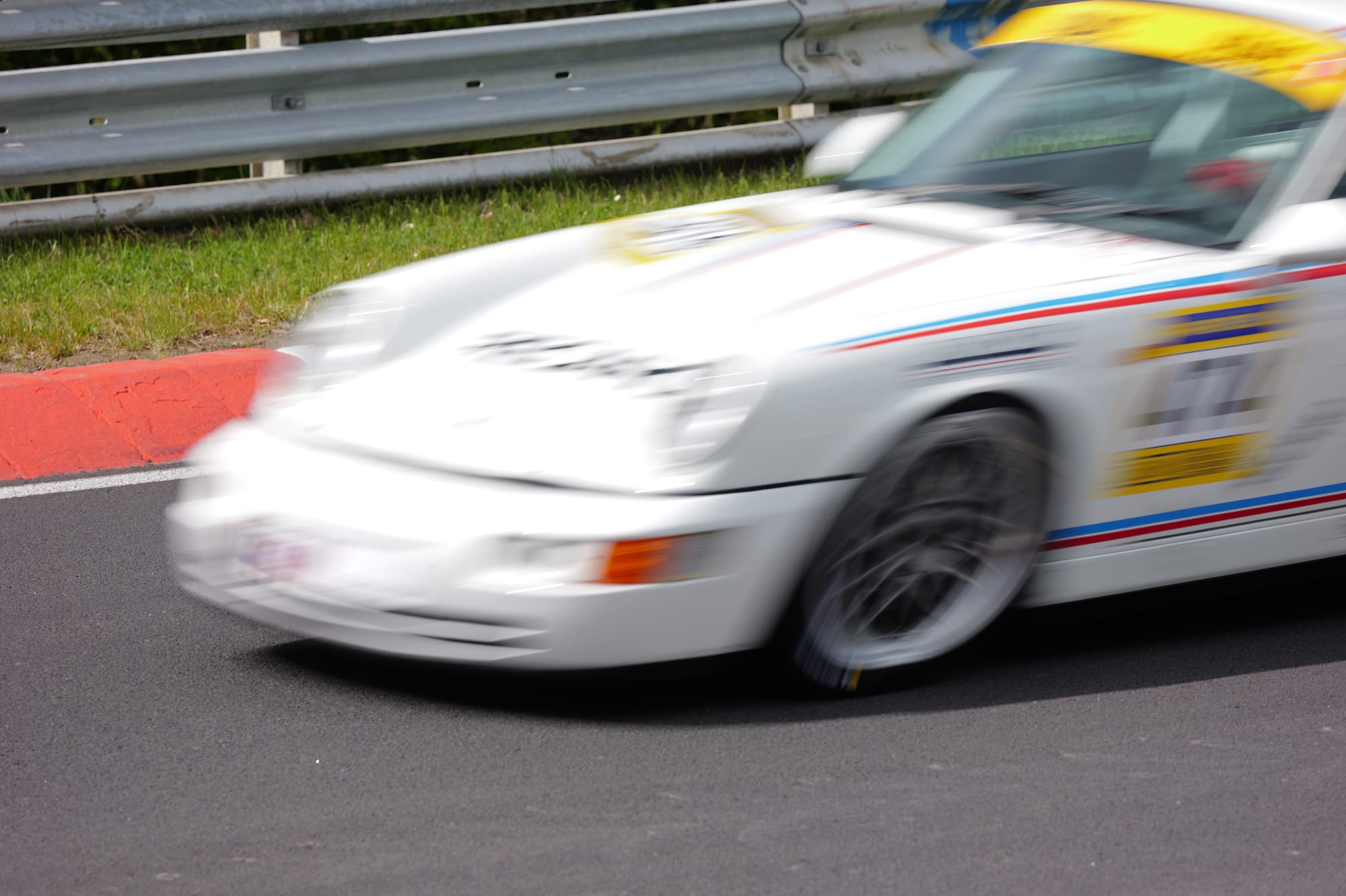
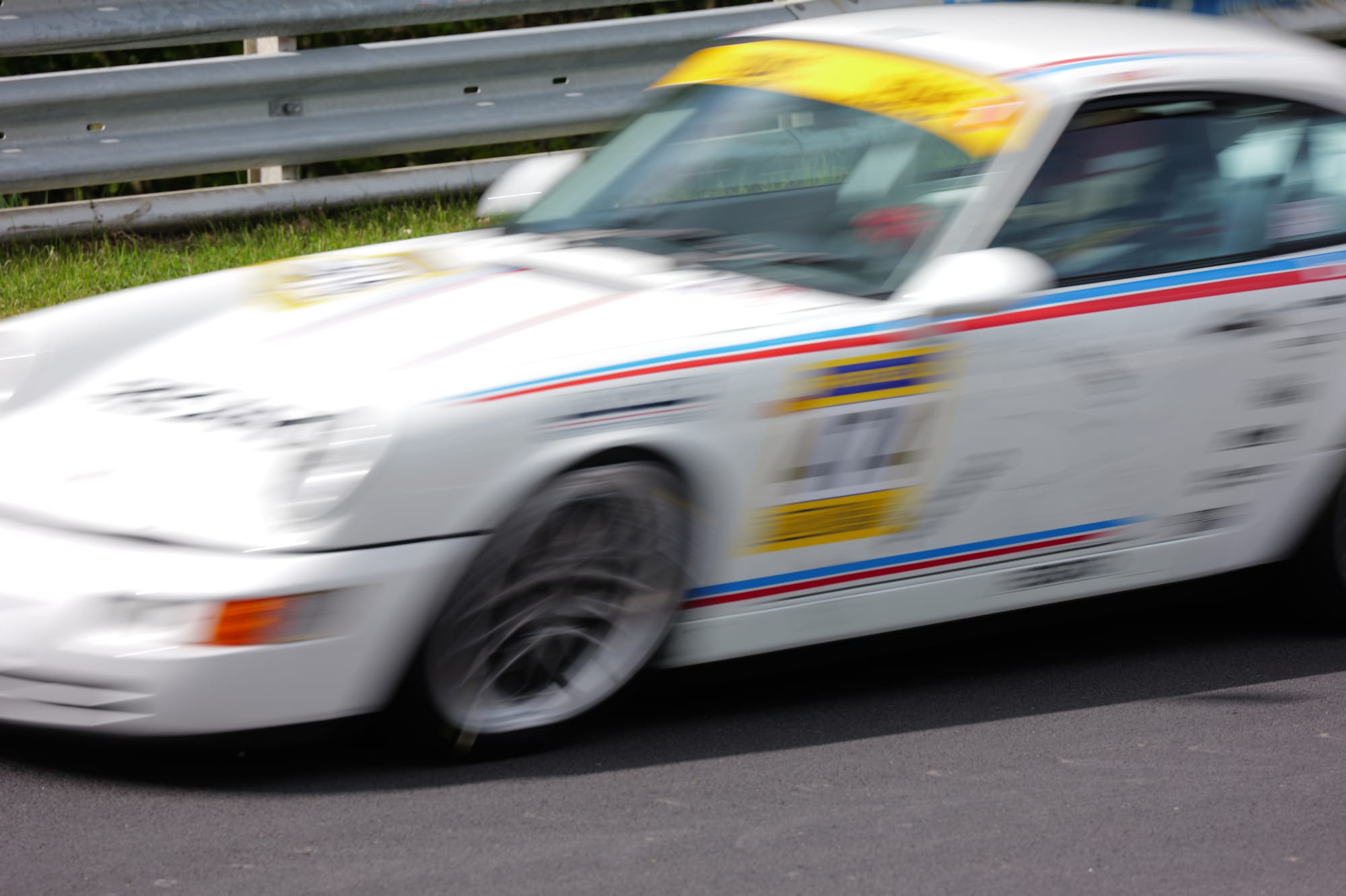
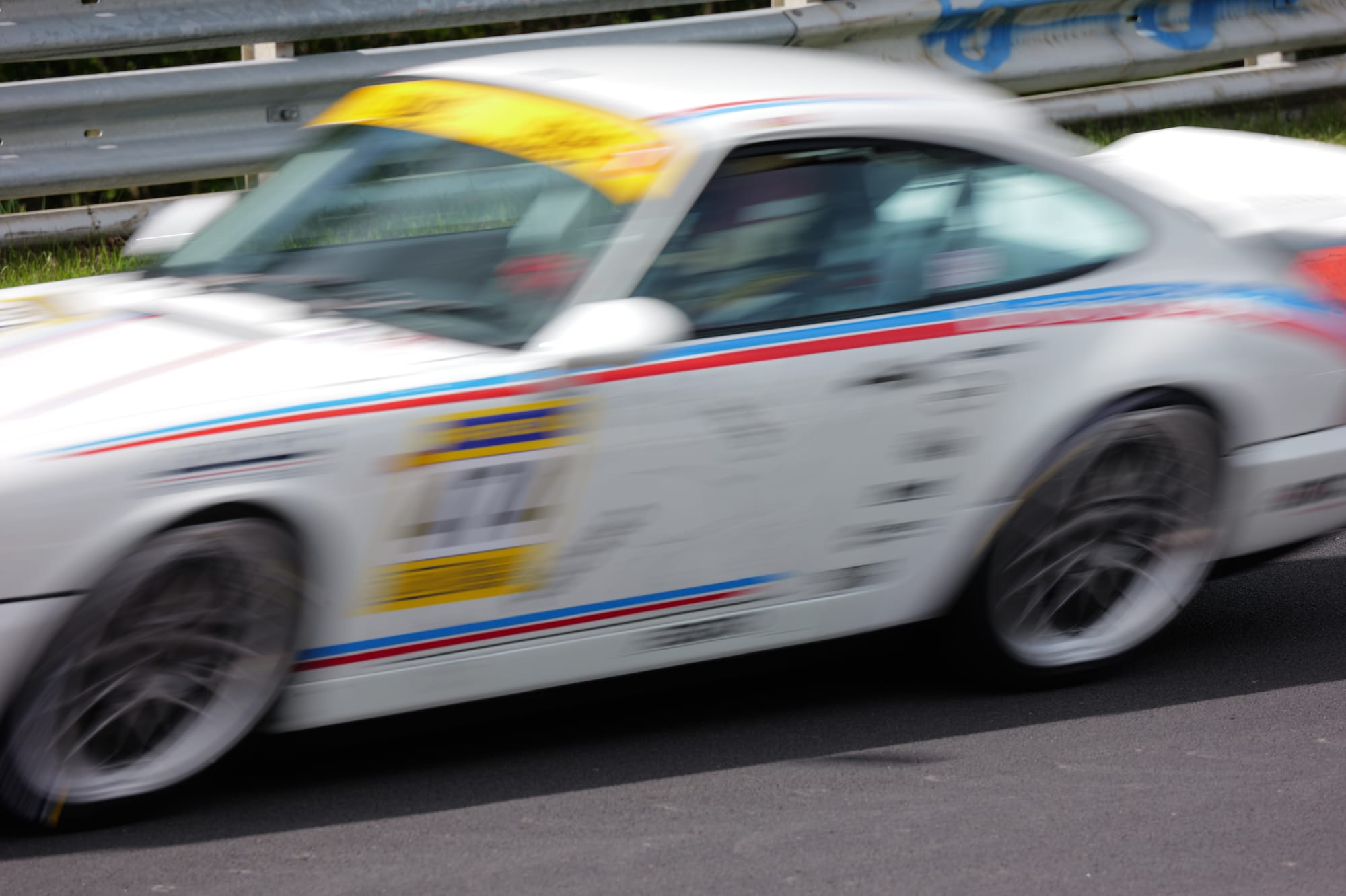
Testing the 40fps RAW burst mode - Straight out of Camera JPGs
Even if the camera was locking up, it was still storing the images, so I caught some really interesting moments. I tried shooting some cars going by at high speeds in Germany and the tracking was great — probably because of Leica's new car autofocus mode. I mostly opted for slow-shutter images, which don’t actually need the 40fps output, but the autofocus came in clutch regardless, especially when trying to grab the ideal frame. And no matter how you slice it, 40fps RAW capture with autofocus is impressive.
I am primarily a slow-paced stills photographer, though, so I'm primarily focused on a few key aspects of a camera: color science, usability, image quality, and fun.
Color Science and Image quality:
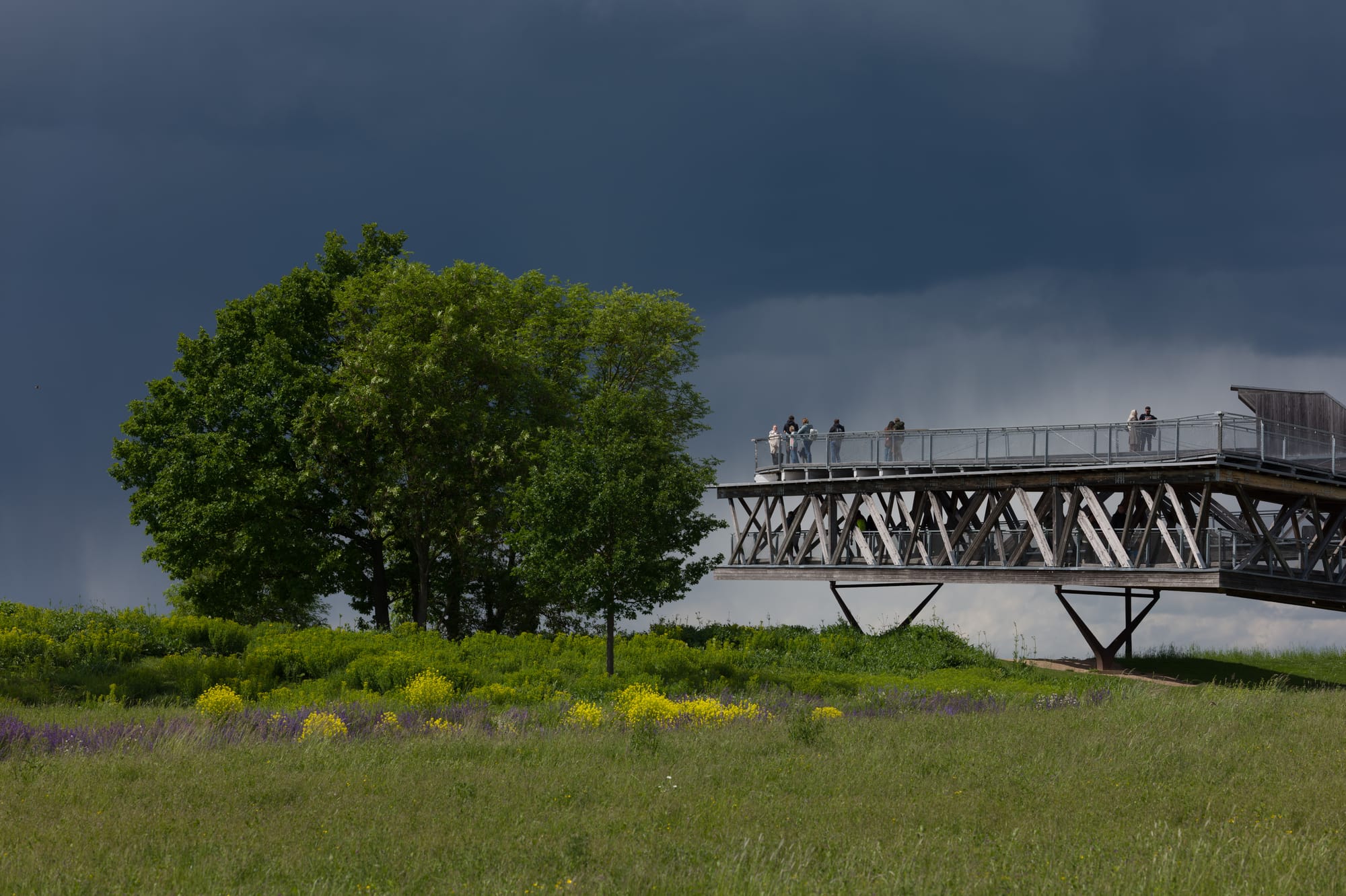
Most photographers will tell you that when shooting photos, you can simply shoot RAW and edit any way you like. And this is mostly true. But as I've mentioned various times throughout my content, I really don't like editing very much. This is obviously personal preference, as a lot of people adore living inside photo editing programs. But for myself, I'd rather spend time trying to dial in my desired look in camera, then do minor adjustments, if any, once I import the images to my computer. This is one of the big reasons I primarily choose to shoot film, but on days where I don't want to blow rolls or where I need to do editorial work, I'm still working on digital cameras.
Leica offers various JPG color profiles in its cameras to achieve different looks, and it also recently started offering different downloadable "Leica Looks" profiles through its Leica Fotos phone app, allowing you to apply different creative profiles right in camera.
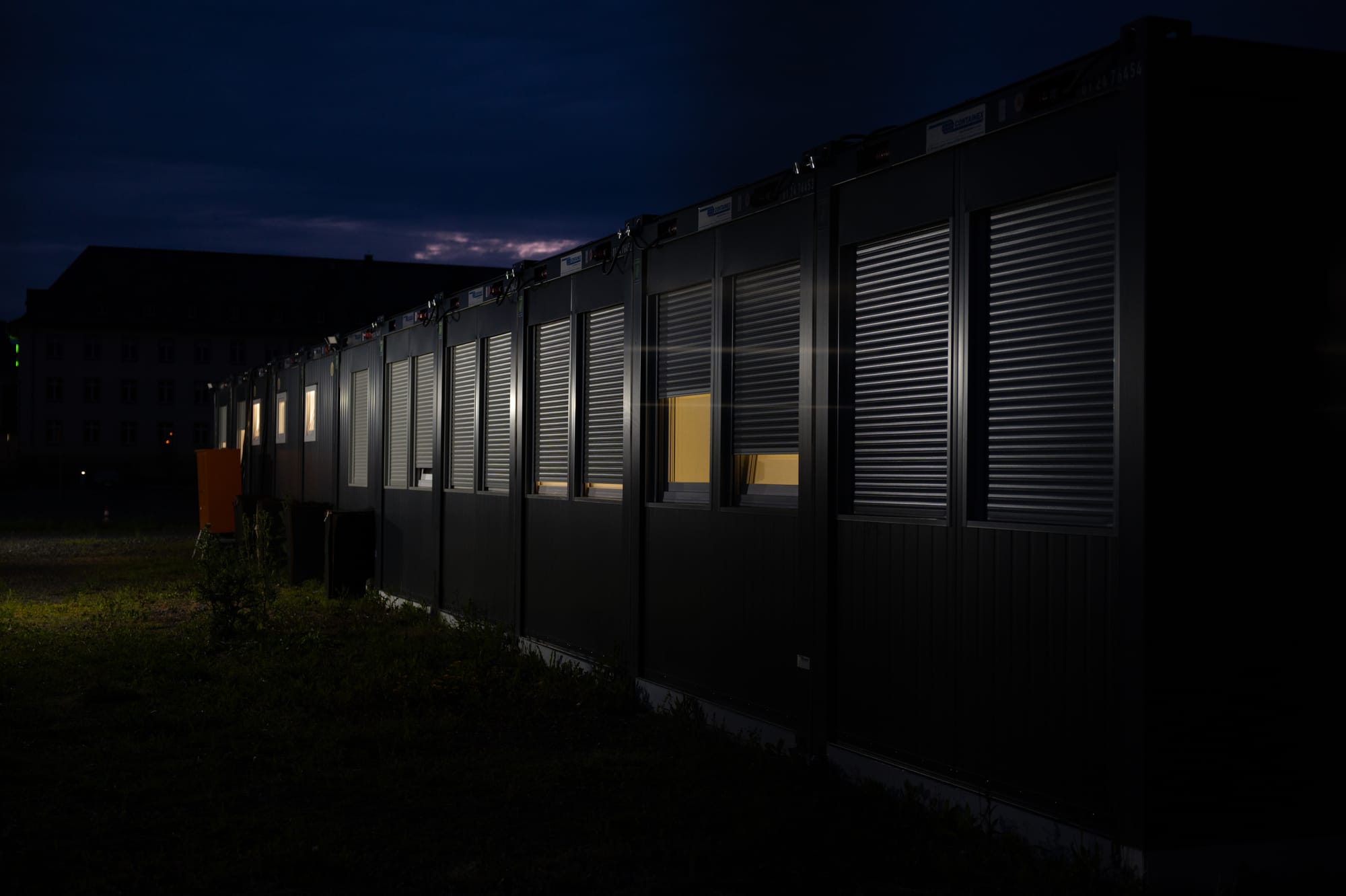
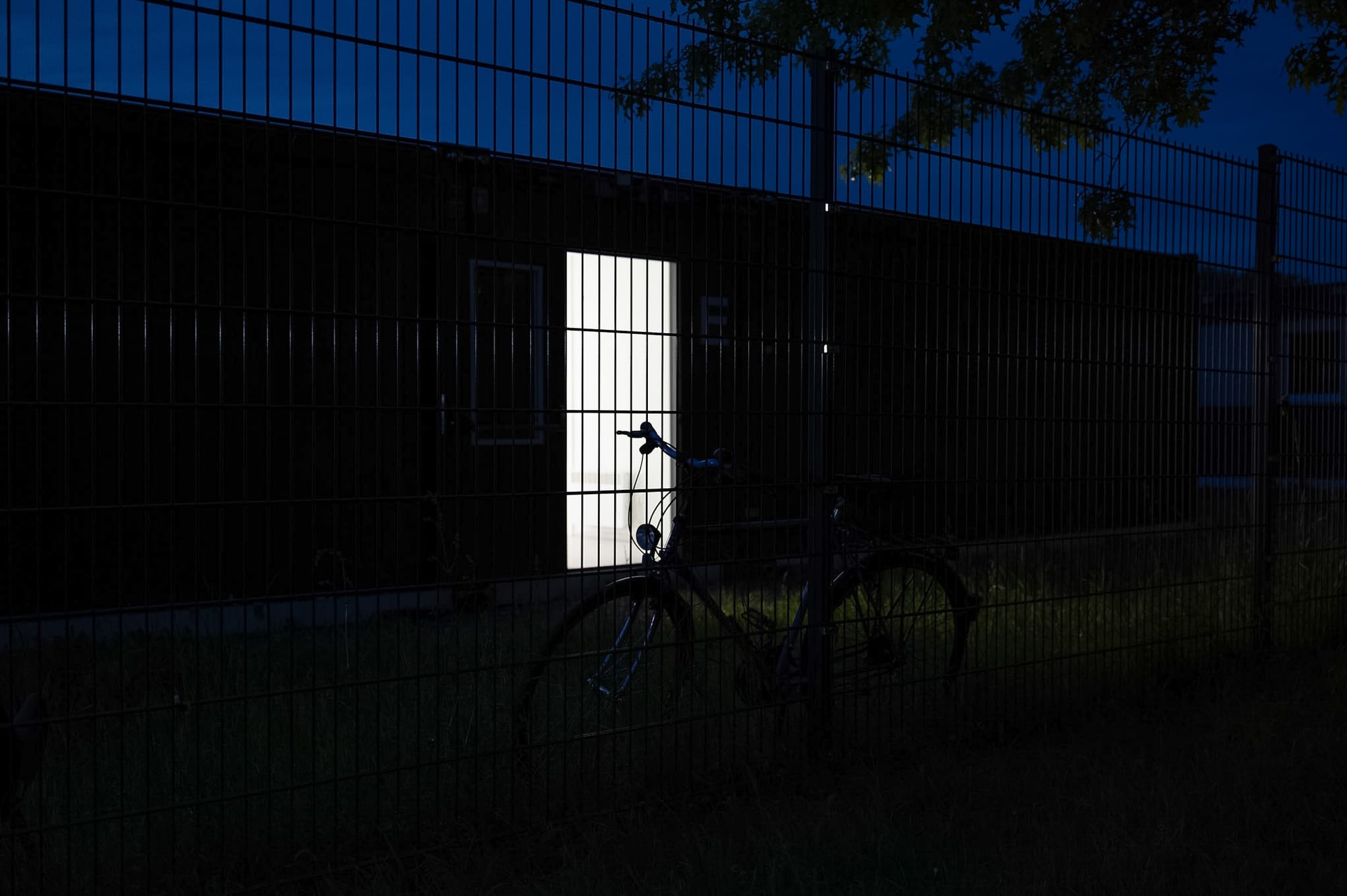
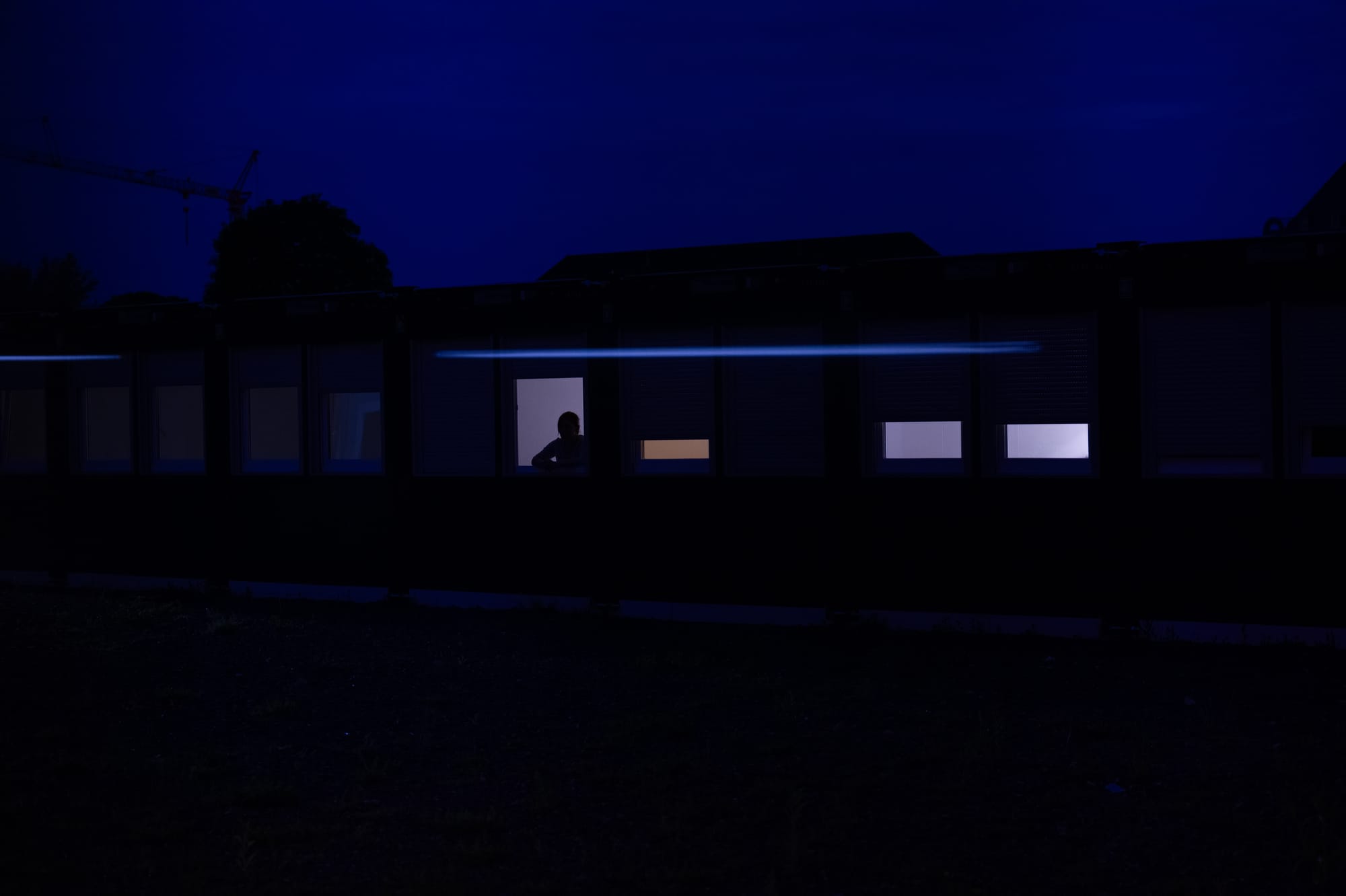
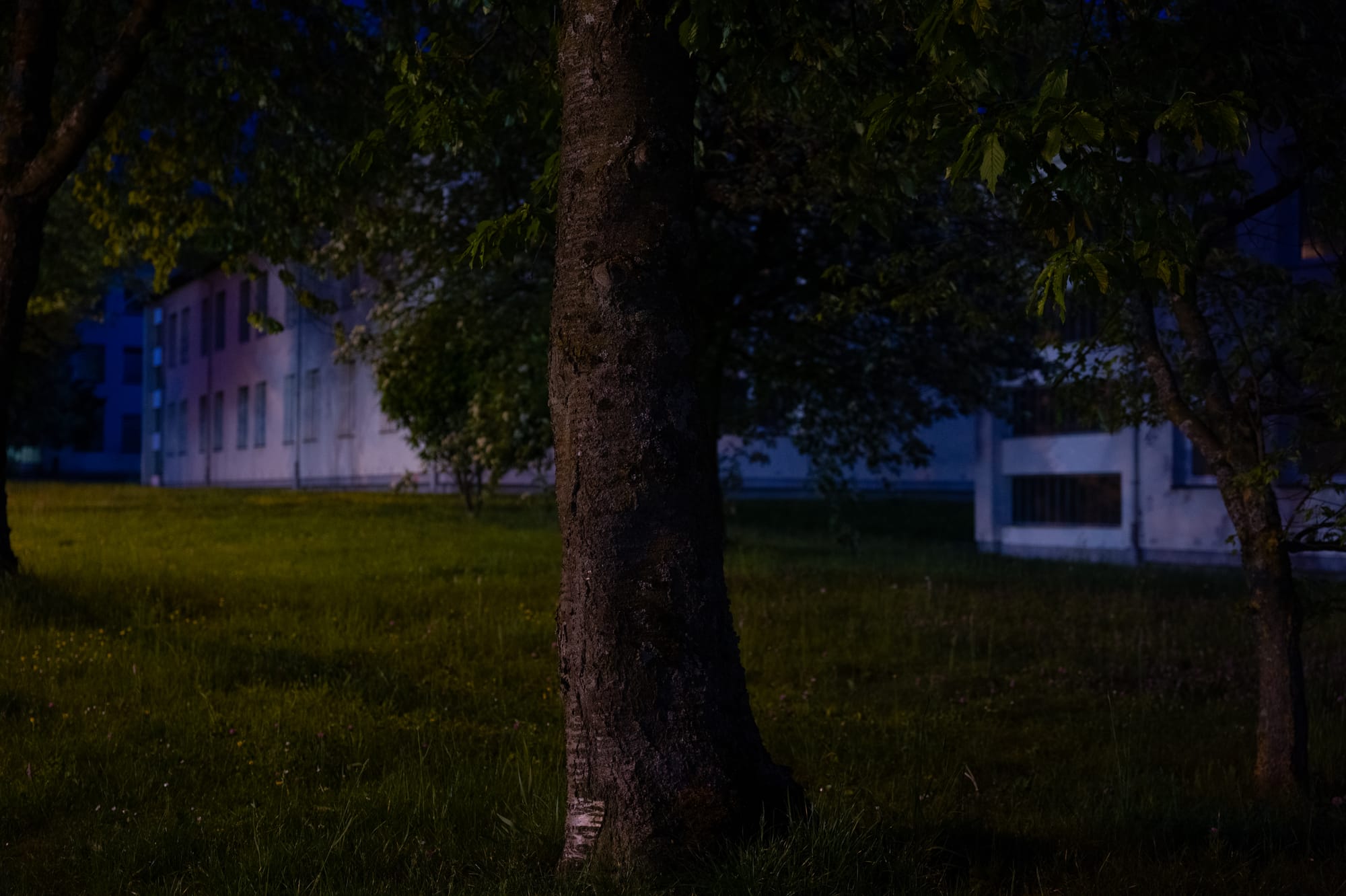
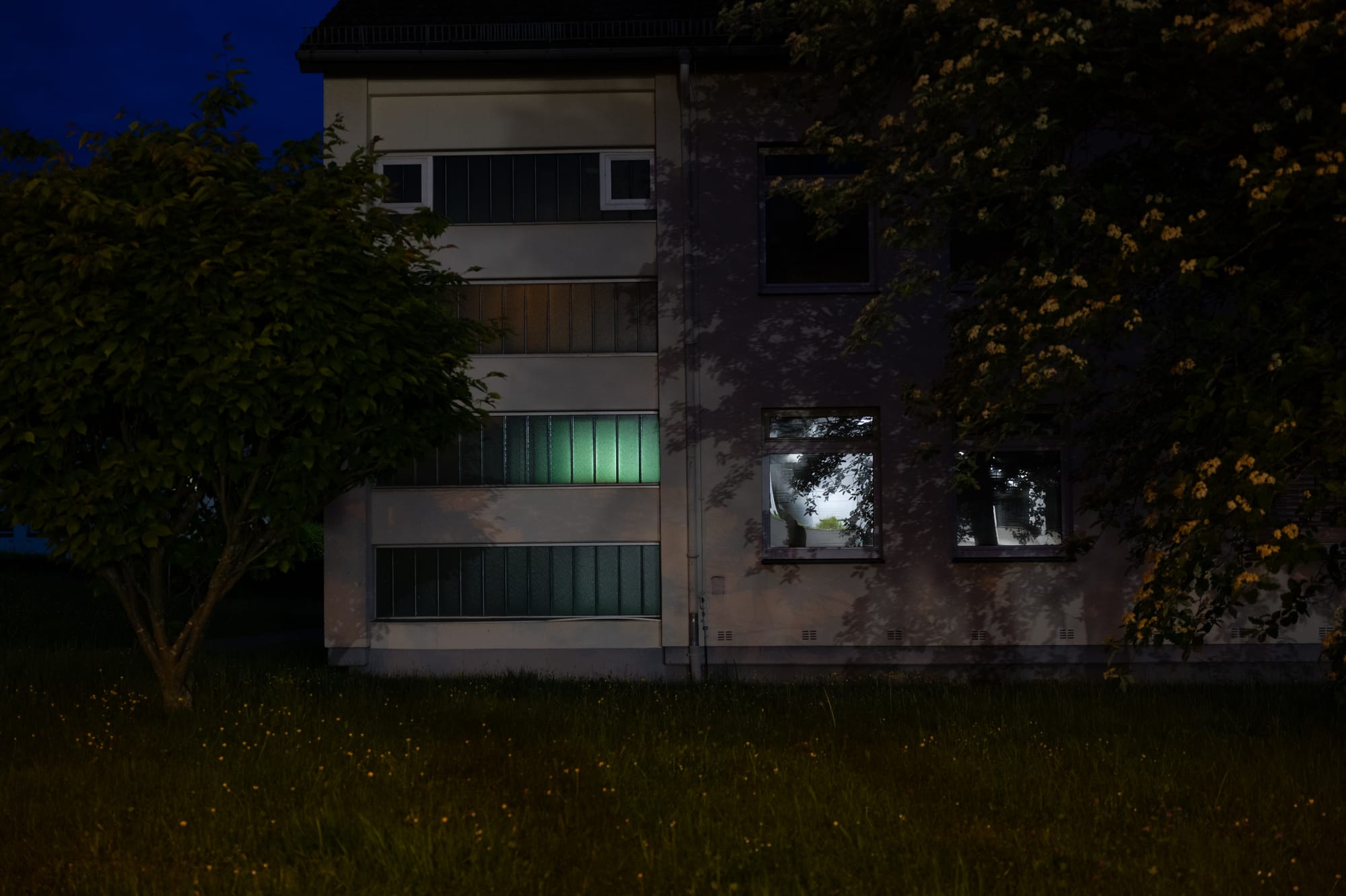
Nighttime work
The company has built a bit of a heritage on having a particular "look" straight out of camera, which is a bit ironic considering they never actually made their own film stocks (until recently (sort of)), but nevertheless, they've curated a number of wonderful profiles while shooting. Its core looks are Standard, Natural, Vivid, Monochrom, and Monochrom High Contrast, but you can also download nice options like Brass Teal, Silver, and Bleach. If you want, Leica also offers a number of color profiles created by its various artists. I mostly stuck to Standard for most exterior shots and Brass for interior, but I also enjoyed the Monochrom looks, even if they aren't quite as magical as shooting with a dedicated monochrome camera.
The RAW files are pretty great, too, and I often found myself simply exporting the RAW image from my photo editor without any adjustments. Color science obviously doesn't matter as much since most RAW files are more than flexible enough to get them where you want them, but like I mentioned with in-camera JPGS, I prefer they look good out of the gate and I don't have to spend a lot of time in an editing program. I've included a number of shots here you can look at, either straight out of camera or directly exported to a JPG from the RAW.
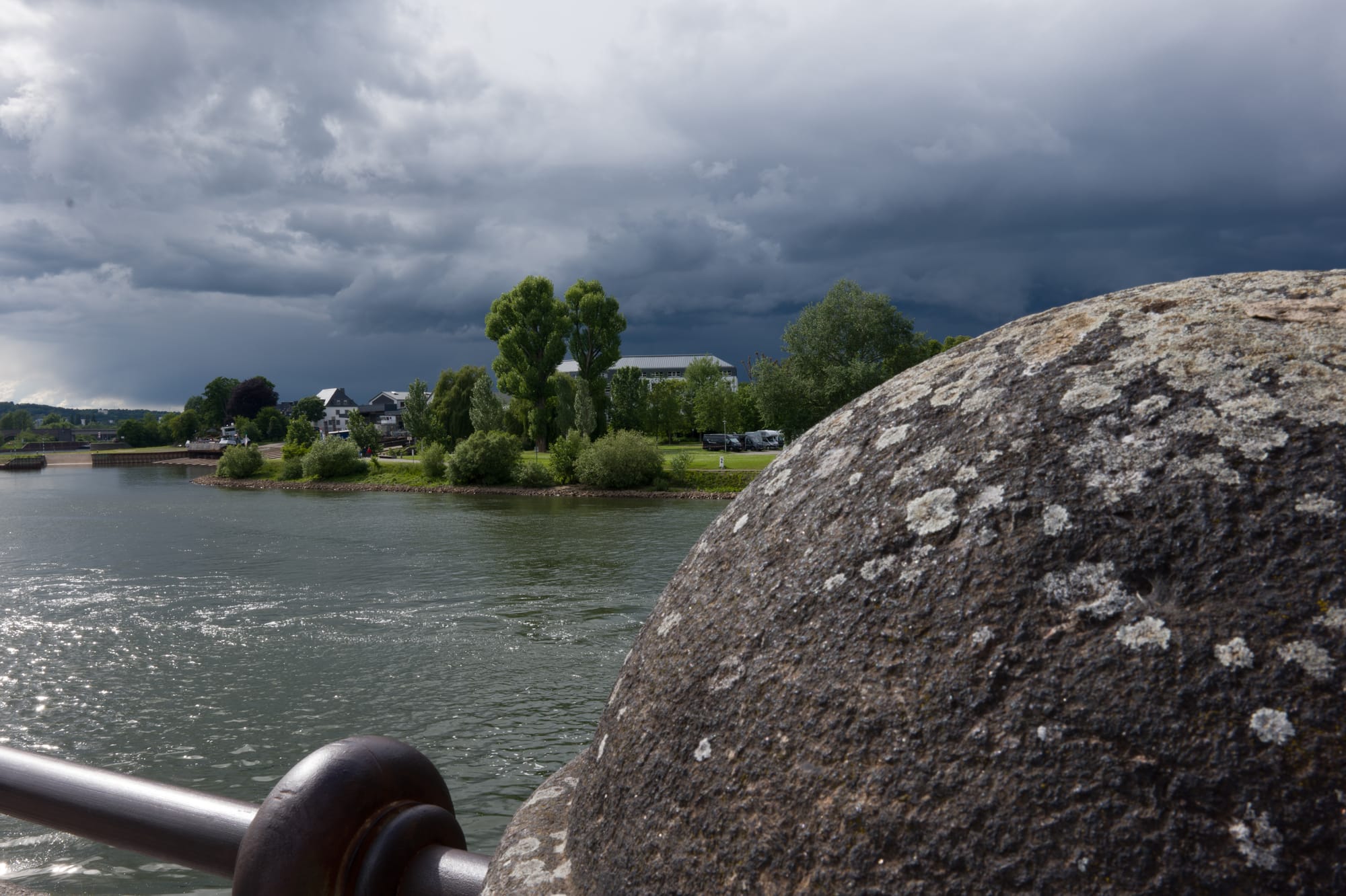
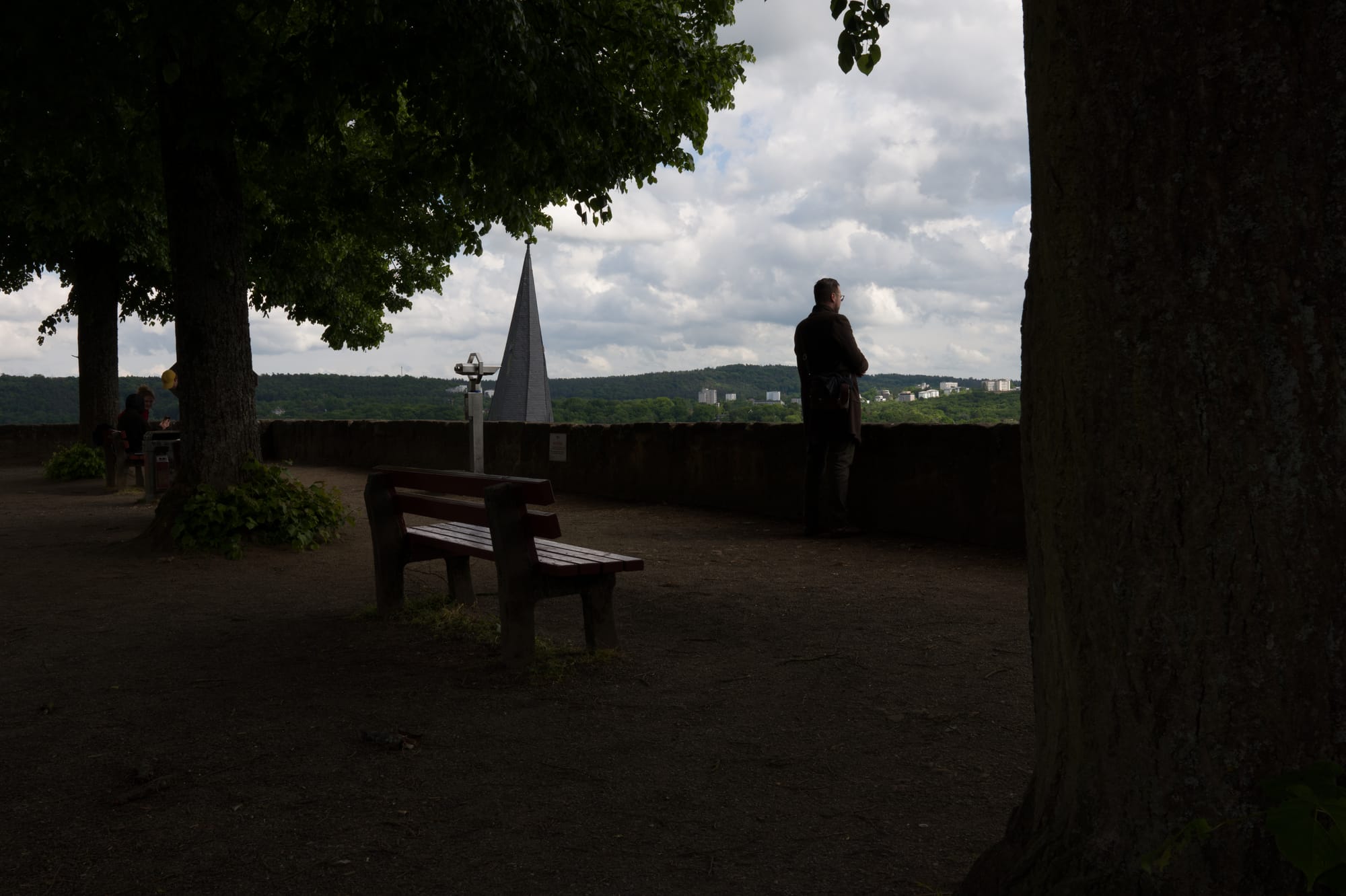

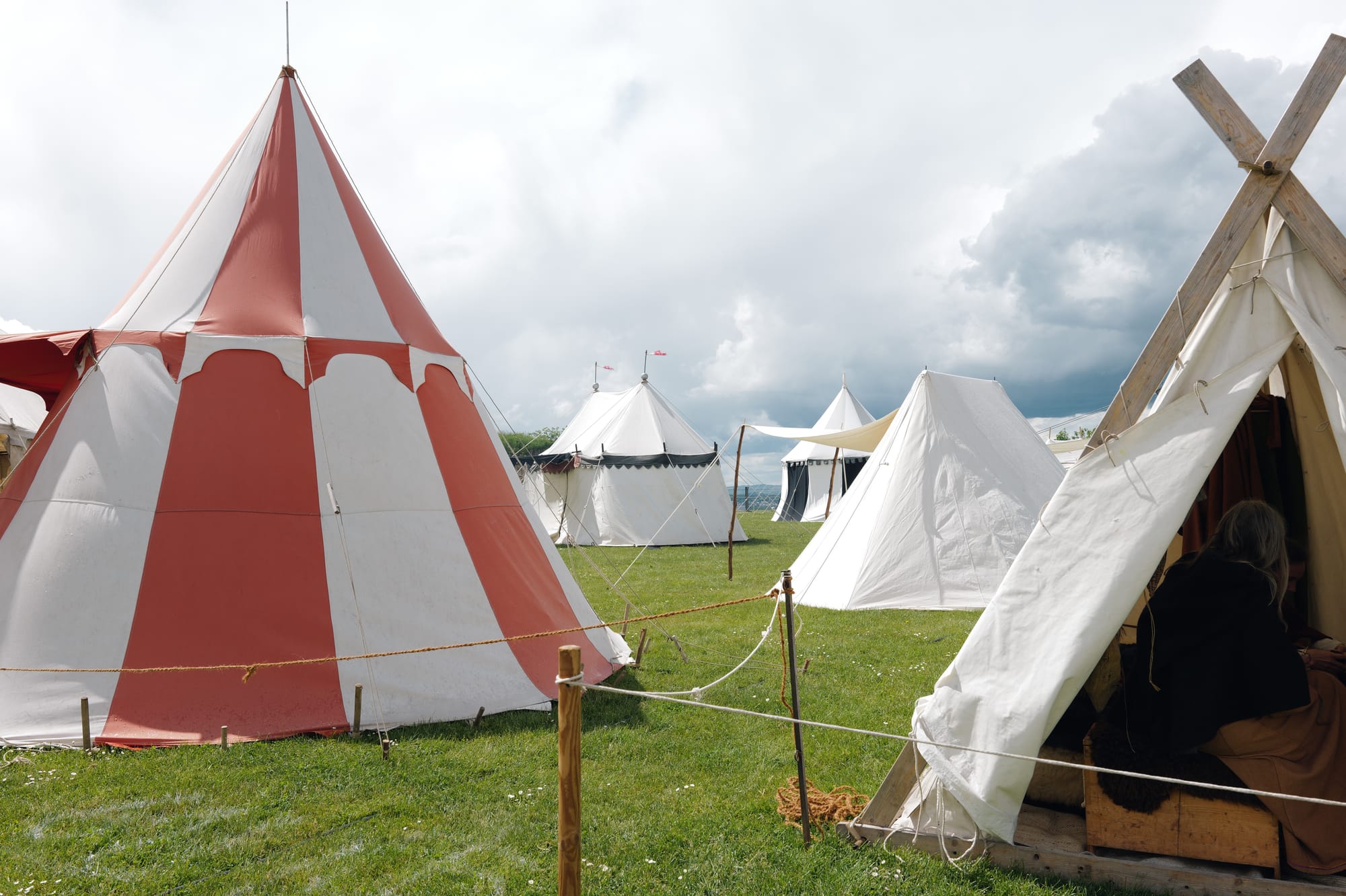
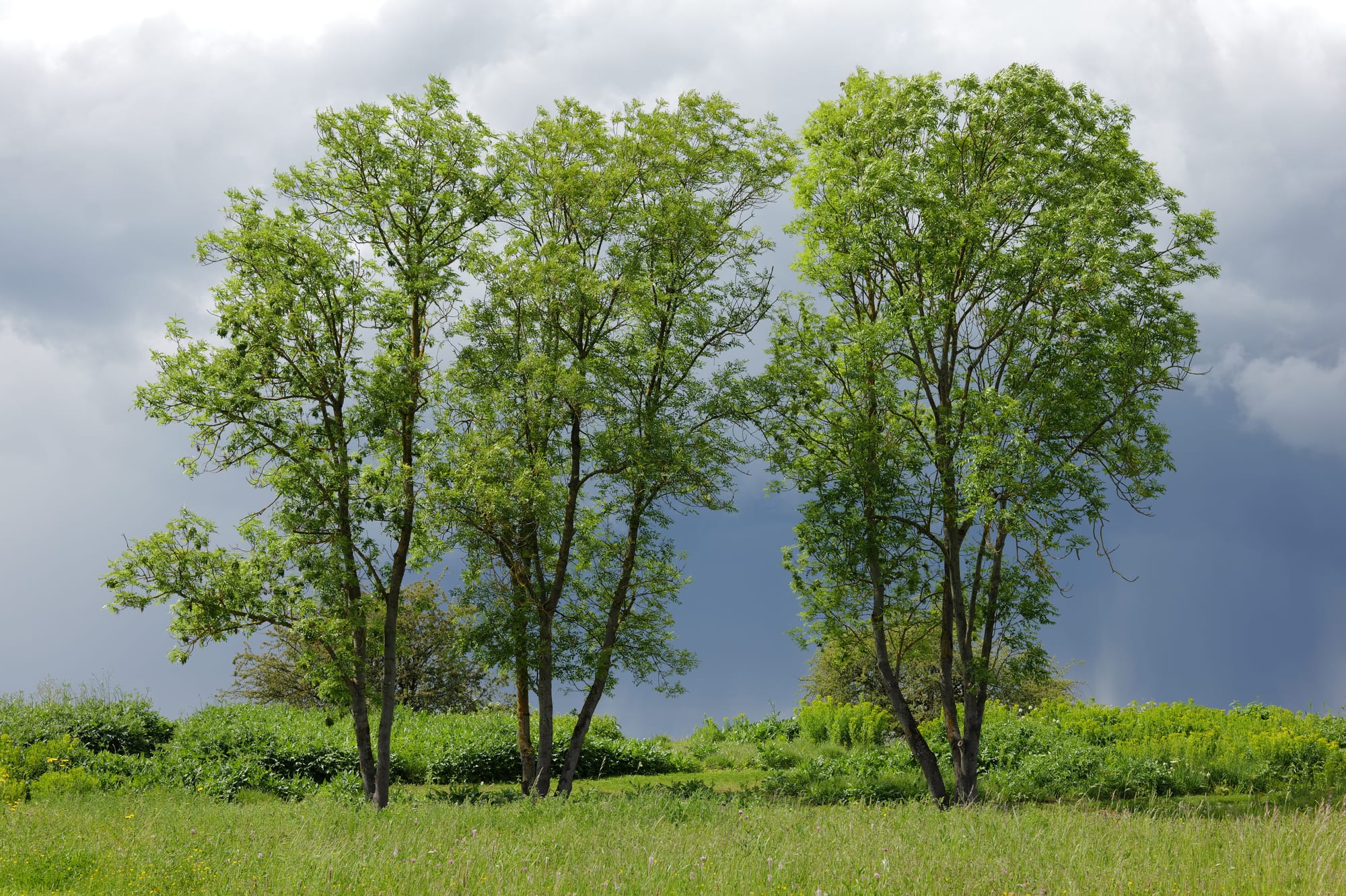
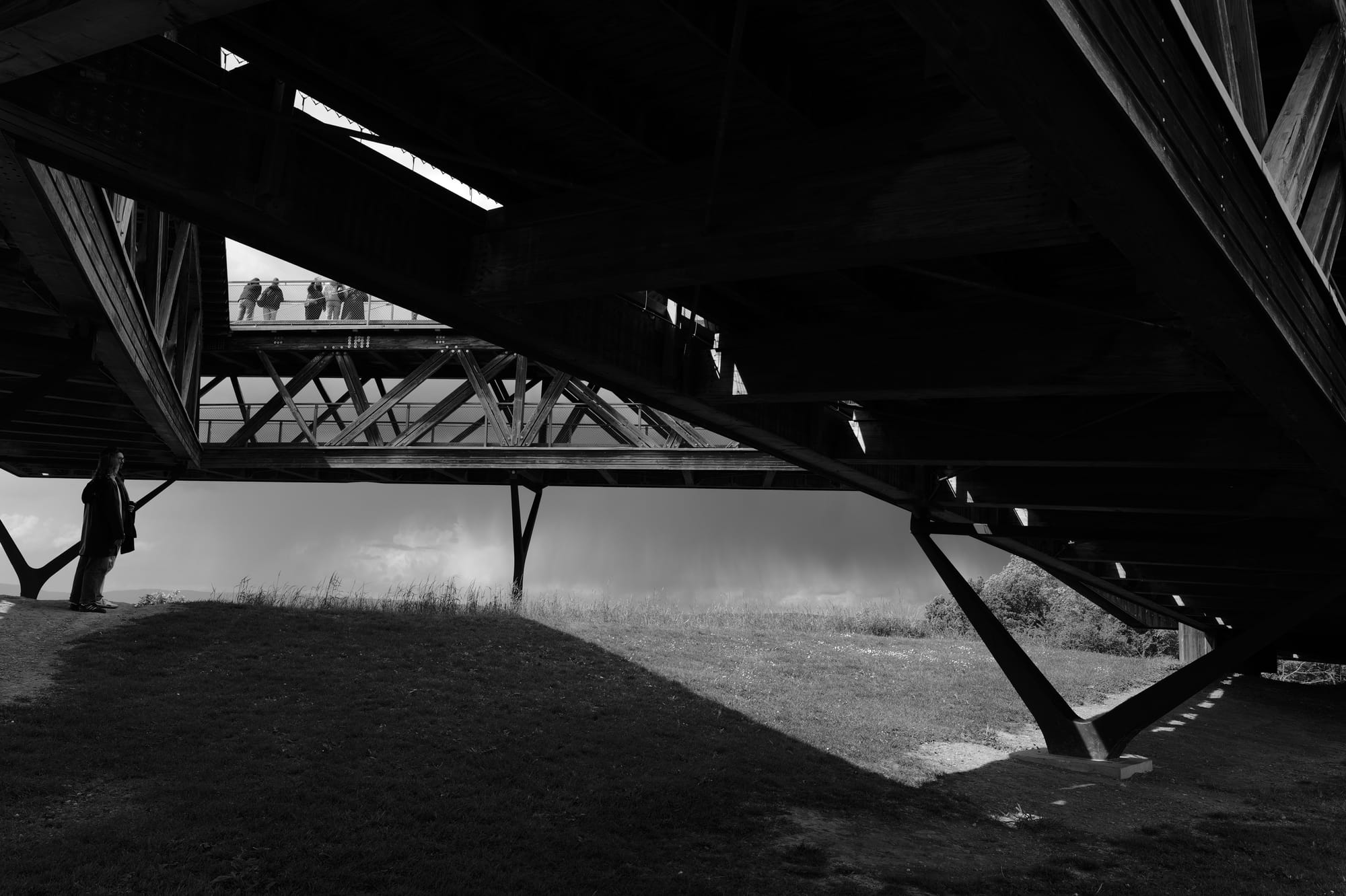
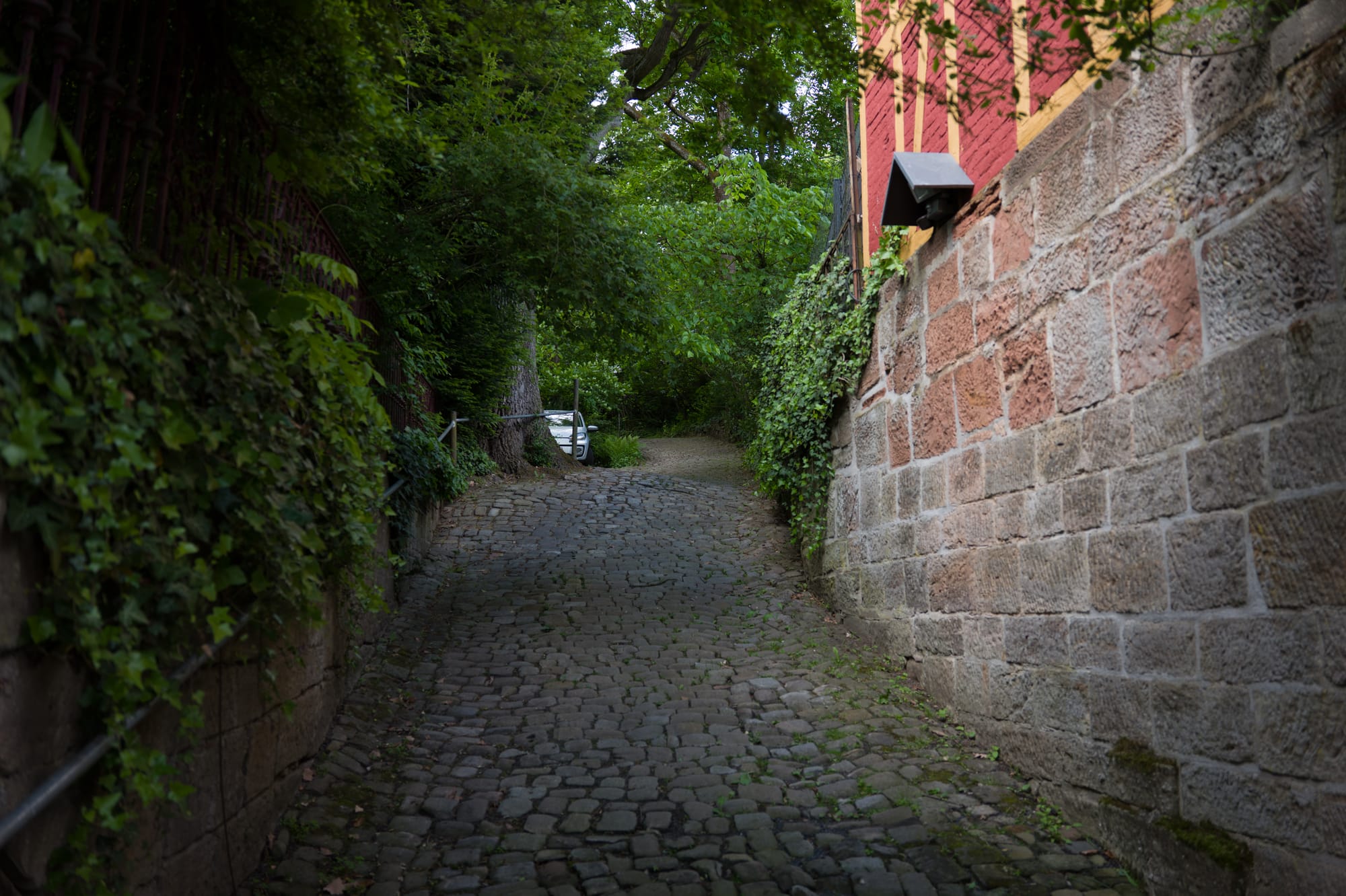
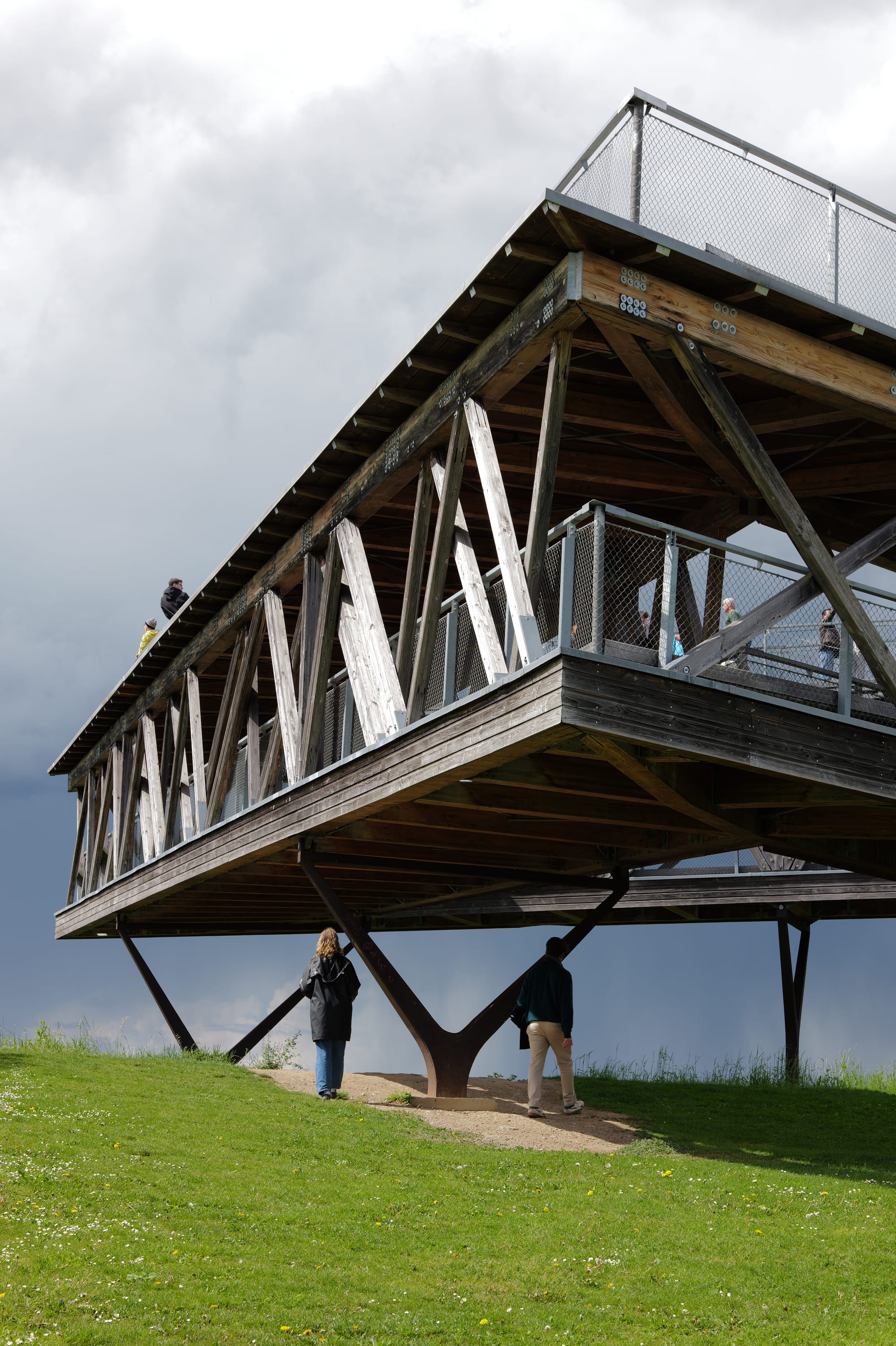
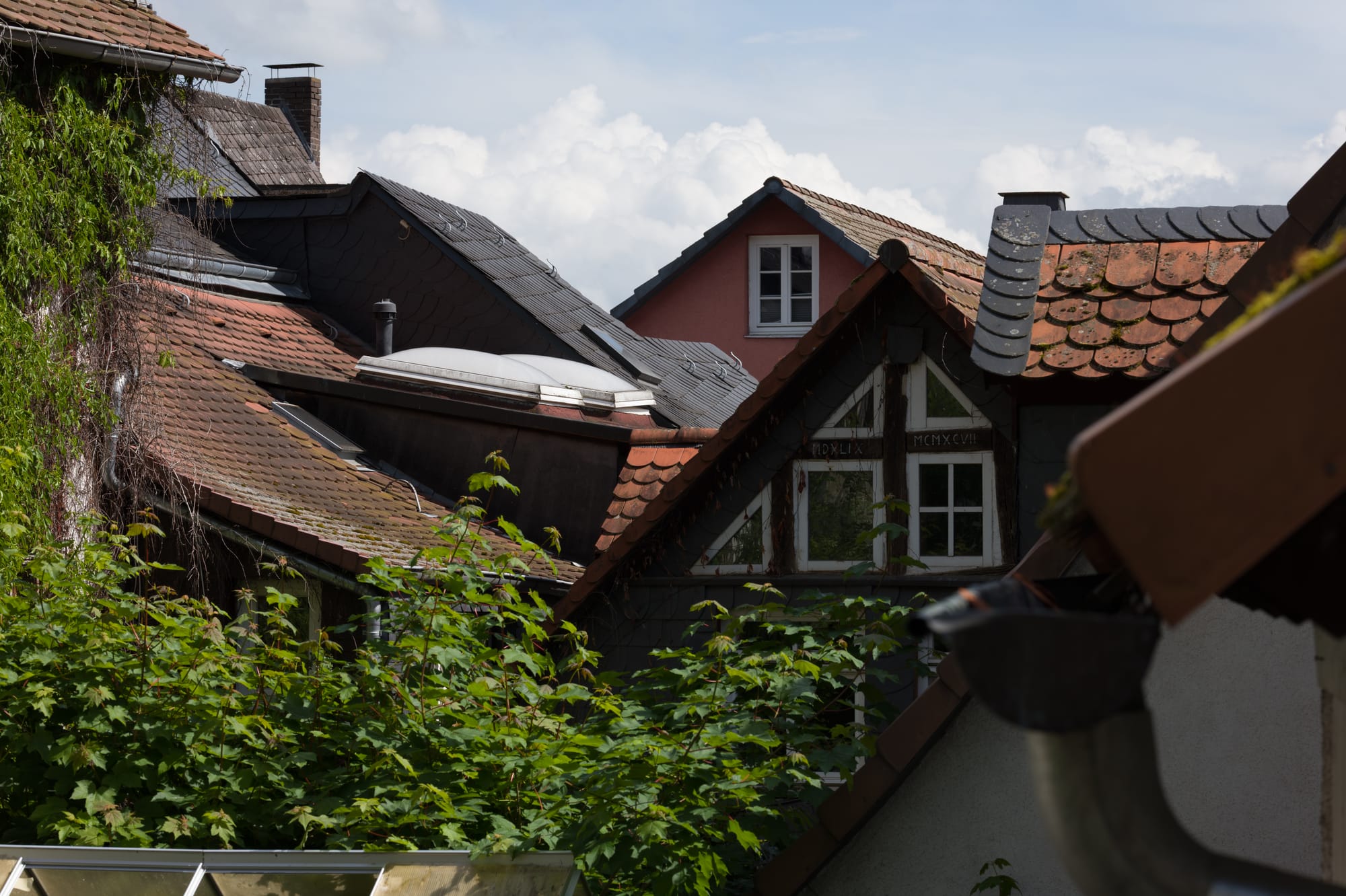
Various shots with Standard and Monochrom High Contrast profiles
I mentioned earlier that the SL3-P has a slightly cut-down 44MP sensor, down from the 60MP sensor on the more expensive SL3. But I really don't think that matters much, if at all. 44MP is more than enough for most situations, and Leica also offers a multi-shot 176MP pixel shift mode if you're mounted to a tripod. The SL3's 60/36/18MP sensor is great if you need flexibility, but the SL3-P also offers a lower-resolution 26MP mode if you're not trying to fill up your SD card as quickly.
As usual with Leica cameras, image quality is absolutely stellar. This is obviously primarily due to its incredible lens lineup, which as I mentioned before, is quite hefty. But images have a certain contrast to them that people usually associate with the "Leica look". Whether or not you believe this is real or if you like it at all is completely up to you, but I'm always pleasantly surprised by the look of the images when I view them on my computer after importing. I mostly used Leica's newly released 100mm f/2.8 APO macro and its 24-70 f/2.8 ASPH during my time with the camera though, which cost a whopping $2,700 and $3,205 respectively.
Usability:
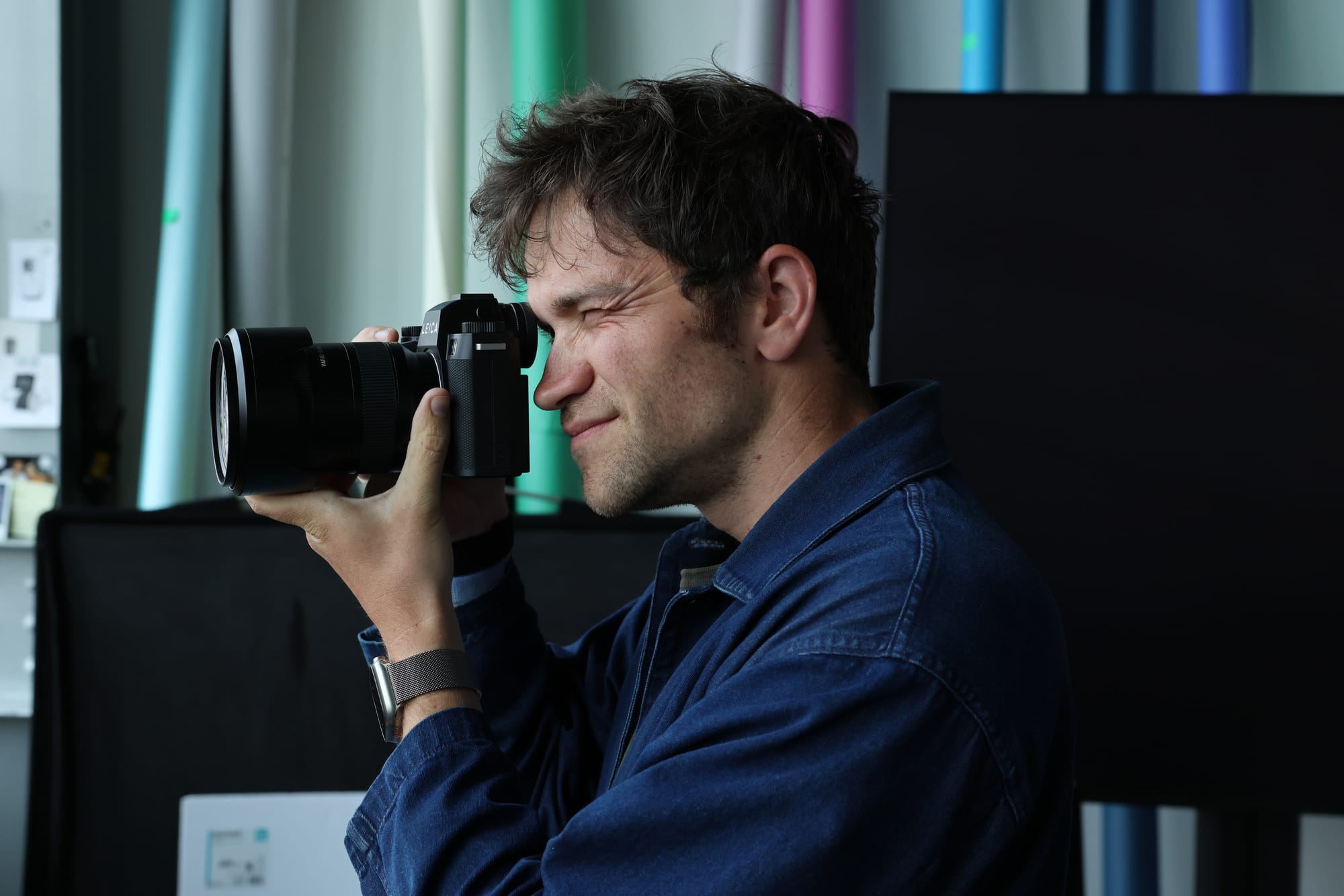
The SL3-P is definitely a chunky camera, and feels like it's designed for working photographers and studio settings. This is likely primarily due to the fact that most native Leica SL glass is very big, since Leica is so obsessed with sharpness and needs to fit autofocus in these lenses, unlike its M-lenses. It generally won't be the best camera for someone looking for a compact everyday carry body, but it’s very solid nonetheless.
The camera is made from a magnesium and aluminum housing, giving it an incredibly rugged feel. It's very simplistic, with a number of unmarked dials and buttons. There are a number of re-mappable function buttons on the top, front, and back of the camera, and a screen on the top to show the settings being changed. Leica tells me they want the SL line to be a "set it and forget it" series of cameras, allowing the user to map the camera exactly how they want it once, and not needing to dig into the settings much afterwards.
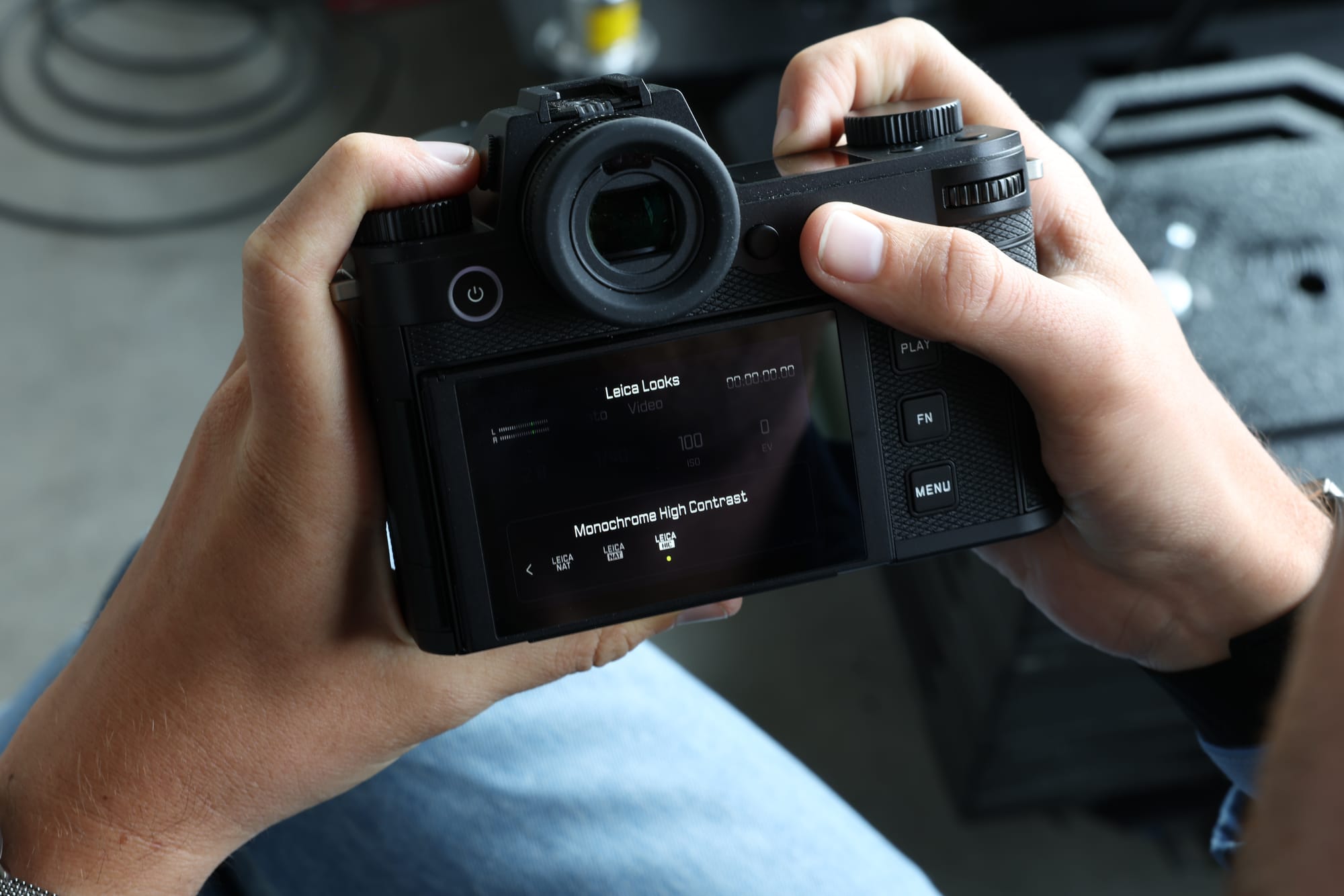
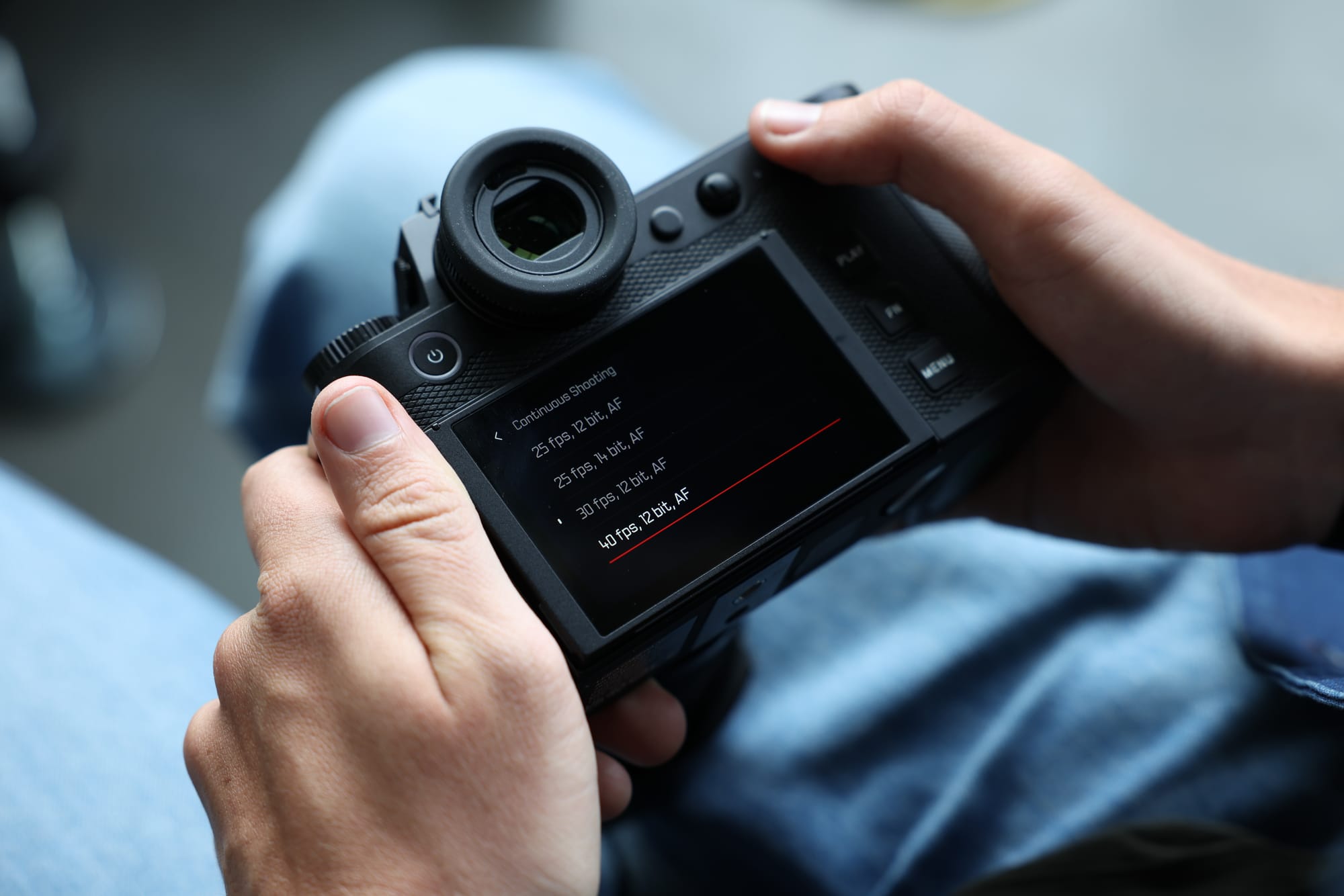
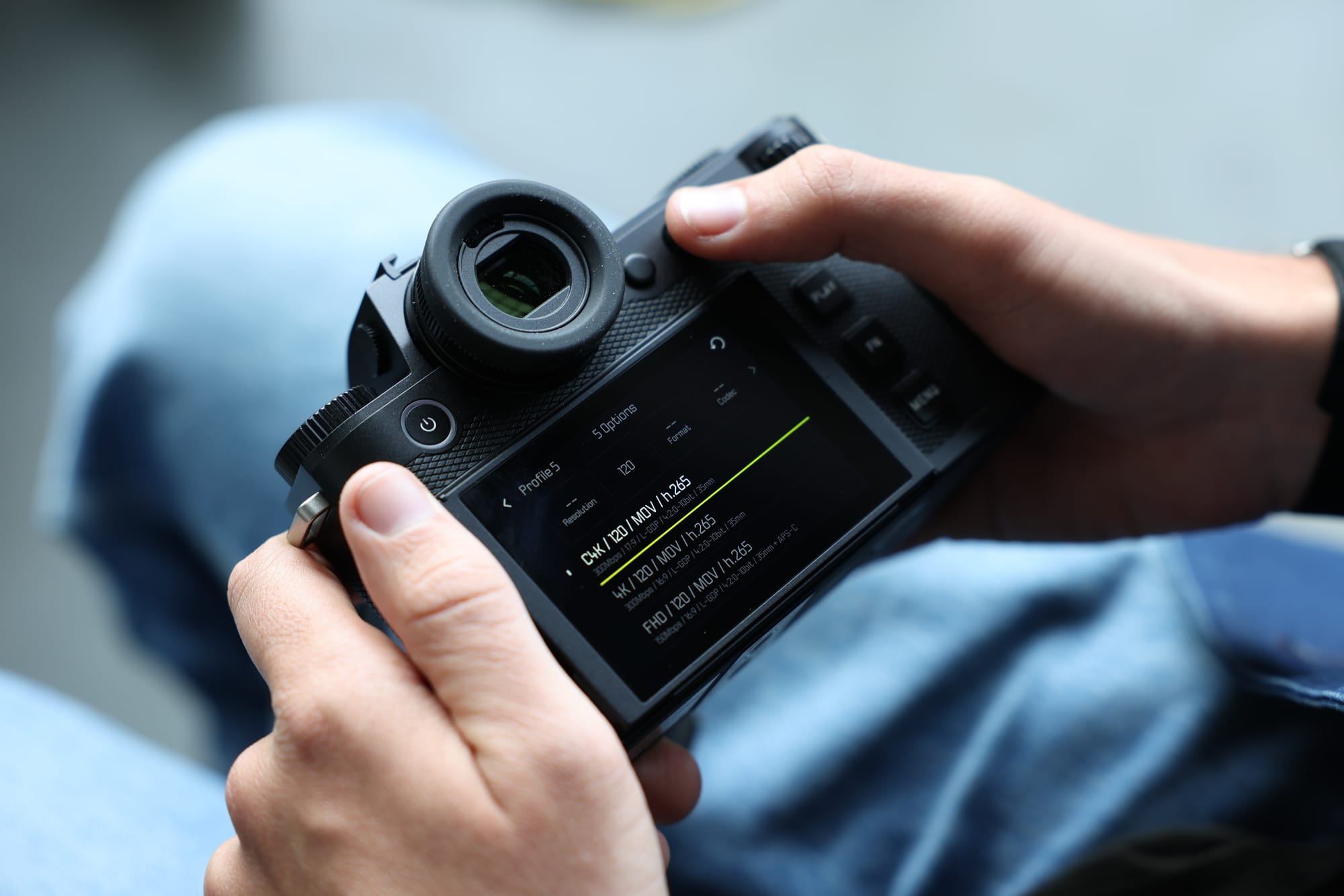
Leica's wonderful menu system
If you do need to adjust settings though, good lord is the Leica settings menu good. Leica completely re-designed its settings menu when it launched the M11 back in early 2022, and it remains one of the best settings menus on any camera system. Things are where you'd expect them to be, and since this camera features video functionality, Leica has split the photo and video settings into two distinct modes, so you can easily jump between them as you transition back and forth.
Speaking of video, Leica has boosted the video capabilities of this camera a bit over the SL3 and SL3-S. The primary new video feature on the camera is the inclusion of 8k "open gate" recording. This means the camera will record the full 3:2 sensor instead of simply cropping to something like 16:9. This is a beneficial feature for videographers who need to deliver both vertical and horizontal video to clients, as it gives you more vertical real estate to work with. Whether this is something you need is up to you, and people love to argue over the importance of this feature on social media.
Fun
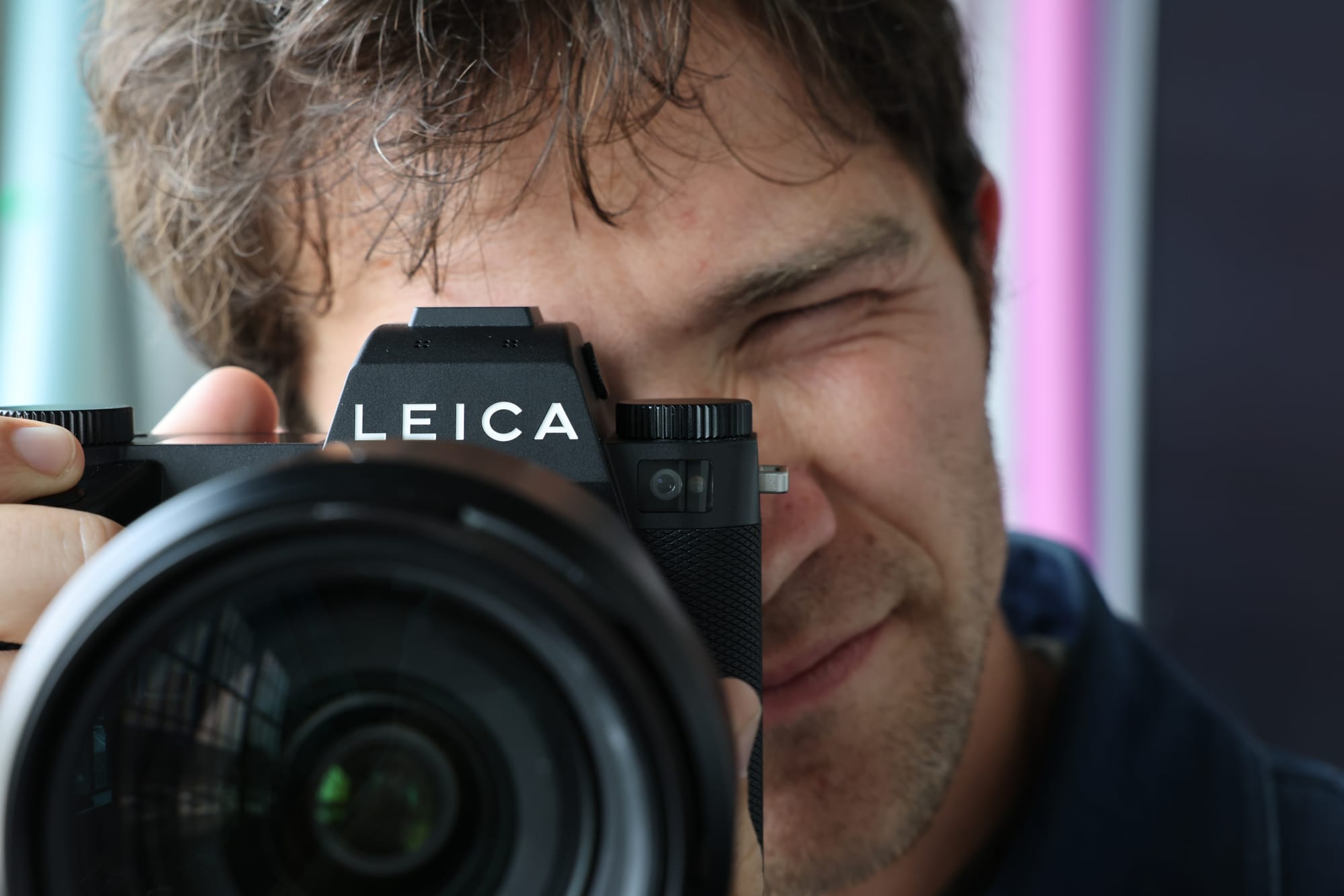
I'm going to be blunt - this is a workhorse camera. It's not pocketable. It doesn't look like an old film camera like Leica's M bodies. If you're looking for an everyday point-and-shoot, this definitely isn't it.
What does make the SL series fun, however, is its ability to shoot Leica M lenses with a (albeit expensive) adapter, giving you the option to shoot vintage M-mount lenses with features like aperture priority, exposure metering, and Exif data. This makes the SL3-P an ideal companion camera if you already shoot a Leica M - either film or digital.
The elephant in the room
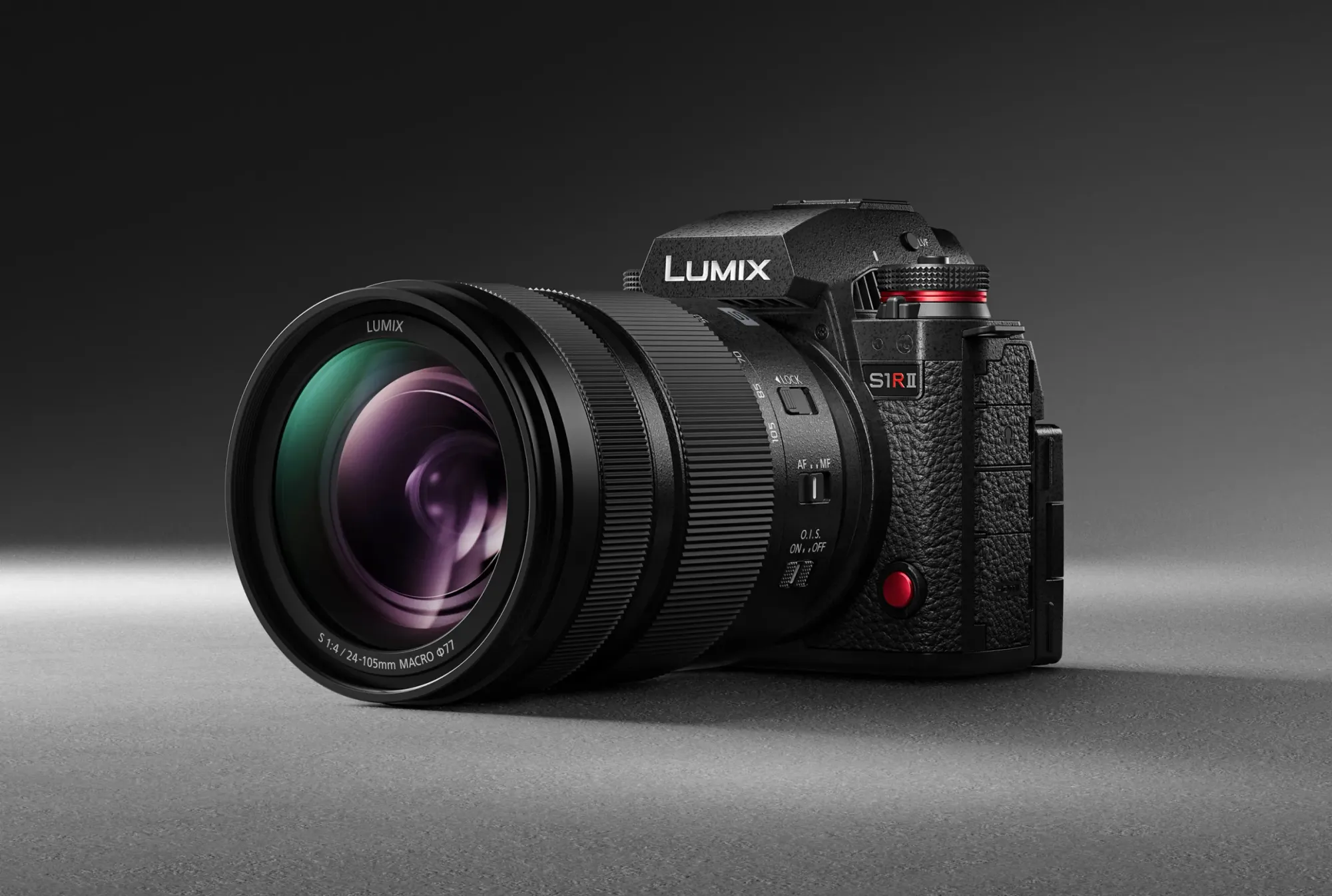
The biggest criticism of the Leica SL3-P is no doubt the fact that the guts are nearly identical to a camera that came out over a year ago, the Panasonic S1RII. It has the same 44MP BSI sensor, the same 8k open gate internal and RAW HDMI video recording, and the same auto focus-enabled 40fps burst shooting mode, for less than half the cost of the SL3-P, at $2,999.
This isn't exactly new, though. The Leica SL2 shared the same core technology as the Panasonic S1R, and the SL2-S shared DNA with the Panasonic Lumix S5, and the SL3-S was shockingly similar to Panasonic's S5IIX. If you're just looking at these cameras from a pure capabilities standpoint, it would make sense to simply grab one of Panasonic's offerings instead.
Considering I'd never used a Leica SL before this, and have never used any of those Panasonic cameras before, either, I needed to ask around to see why people would be willing to spend over twice as much money to get the Leica-branded variant. The answers generally came down to three key things:
Build Quality and Ergonomics: Leica's magnesium and aluminum housing, combined with its ultra-simplistic dial system is incredibly premium. If you're looking to buy something that looks like it could survive a war, Leica's SL series feels up to the task.
Menu System: A lot of people are in love with Leica's menu system, for good reason. It's incredibly intuitive, with big icons and buttons for easily finding what you're looking for.
Lens Ecosystem: A lot of the people I talked to were already invested in Leica systems through its M lenses, which opens up a whole world of vintage lens options for creative work. Of course, in order to use these you need to purchase the expensive M-L adapter which costs an extra $480, but once you do, you can easily utilize all the lenses you already have. You can't say the same about the Panasonic cameras.
A question still remains for me, though. This camera is better than the SL3 in practically every way, save for the 44mp sensor. So why is Leica even still selling the SL3? I understand they probably feel the need to have a higher resolution model available, especially considering the M series uses that same sensor, but with the SL3-P you're getting a better camera in practically every way otherwise.
Obviously, these cameras aren't for everyone, or for every situation. I'm probably going to continue to shoot something much smaller like the Fujifilm X100VI for my everyday camera, and for my landscape work I still only shoot film. But if I were already invested in the M lens ecosystem, cared a lot about durability and menu system, and needed a solid workhorse camera, I would seriously consider giving the SL3-P a look.